- Water is the most important resource in our world.
- Water is an inorganic compound.
- There are 97% of ocean water, 2%of iced water and ONLY 1% of drinking water.
- The chemical formula of Water is H2O.
- Water is an odourless and nearly colourless chemical substance.
- Water is also considered as tasteless , although it’s not true. All of you when you taste water apart from your house it tastes different.
- About two-thirds of earth’s surface is covered with water or 70% of earth’s surface is water.
- Water regulates the Earth’s temperature.
Contents
- What do you mean by Saline water?
- What do you mean by Ground Water?
- Where do we get Water from?
- Similarities between Fresh water and Saline water?
- What is Transpiration?
- What is Evaporation?
- What is Condensation and how is rain formed?
- What is Precipitation?
- Water Cycle:
- Water Conservation:
- You may like these:
What do you mean by Saline water?
- Saline water is the water containing dissolved salts mainly Sodium Chloride.
- Saline water is not fit for drinking.
- Ocean contains most of the saline water.
- Saline water is used in gargling as it prevents inflammation. It also helps in killing weeds.
What do you mean by Ground Water?
- Water beneath the surface trapped in sediments and rocks is called groundwater.
- Drinking water is mostly groundwater.
Where do we get Water from?
- Fresh water makes up only 2.5% of the world’s water.
- Most lakes, rivers, marshes and swamps contain freshwater.
- Glaciers also contain a lot of fresh water.
Similarities between Fresh water and Saline water?
- Both forms of water is found in all the three states – solid, liquid and gas.
- Both fresh water and saline water have dissolved materials.
- Body of saline water and fresh water are habitats of many different organisms.
What is Transpiration?
- Transpiration is the loss of water from the Plants in the form of Water Vapor.
- Water is absorbed by roots from the soil.
- Then it is transported as a liquid to the leaves.
- In the leaves, small pores called stomata allow water to escape as a vapor.
What is Evaporation?
- Evaporation is a process in which liquid state changes into a gaseous state due to an increase in temperature or an increase in Pressure.
What is Condensation and how is rain formed?
- Condensation is a process in which gaseous forms turns in liquid form.
- This happens when the air gets cooler.
- Water droplets clump together to form a cloud.
- It so happens that many droplets of water come together to form larger sized drops of water.
What is Precipitation?
- Precipitation is water that falls in any form like rain, snow from the sky to the earth.
Water Cycle:
- The water cycle consist of 3 main processes – Evaporation , condensation and Precipitation.
The steps of water cycle are:
- The water cycle begins with evaporation where the water on the earth surface turns into vapor
- As water turns into vapor it rises up in the atmosphere and due to high altitudes the water changes into water droplets because of low temperature.
- The small water droplets come together and form clouds.
- Now when the air cannot hold any more water , it precipitates that means the water droplets fall down as rain.
- After raining, some of the water is absorbed by the soil.
- The roots of the plant absorb the water and it is received by the leaves where it is used for photosynthesis.
- The extra water is moved out of the leaves through small pores(stomata) as water vapor.
Water Conservation:
- It is the method by which we can use water efficiently.
- It helps us to reduce the waste of water.
- we can stop taking bath from showers , as it consumes a lot of water.
- If you are washing dishes then close the tap while using the soap.
- While drinking water , take as much water you need to drink . Don’t take excess water that you will not be able to drink and you have to throw it. If taken excess water you can water plants instead of throwing it.
- While brushing your teeth , don’t let the tap running.
Rainwater Harvesting:
- Rainwater harvesting is the collection and storage of rain for later use rather than allowing it to get wasted.
- The frequency, quantity and the quality of the rainfall play a vital role in the amount of water harvested.
The benefits of Rainwater Harvesting are:
- It costs less.
- Promotes both water and energy conservation
- It is easy to operate.
- It reduces soil erosion, flooding, and pollution of surface water with fertilizers, pesticides etc..
- It is an excellent source of water for irrigation with no chemicals and free from minerals.
There are also several disadvantages:-
- Regular maintenance is required.
- Limited or no rainfall can affect the supply of Rainwater.
- Storage limits.
Fun Facts about Water:
- 70% of the human brain consist of water.
- Two glasses of water are required to produce each page of a book.
- 80% of all illness in the developing world is water related.
- A person can live about a month without food, but only about a week without water.
- Water expands by 9% when it freezes.
- Too much drinking water is fatal . ( Anything too less or too much can affect your health so an appropriate amount is needed).
You may like these:
Water: A Valuable Resource
Water is essential for life, supporting ecosystems, agriculture, and human needs. Its scarcity makes conservation critical to ensure clean water access for drinking, farming, and sustaining the planet.
Why is Ice Solid and Water Liquid?
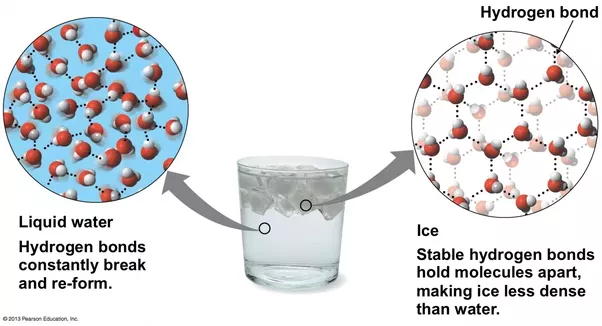
Ice is solid because its molecules are frozen in a fixed pattern, while water is liquid as its molecules move freely. Temperature changes shift water between these states, affecting its form.
Different Forms of Water

Water exists in three states: solid (ice), liquid (water), and gas (vapor). These forms change based on temperature, showcasing water’s unique properties and adaptability in nature.
Why is Water Important?
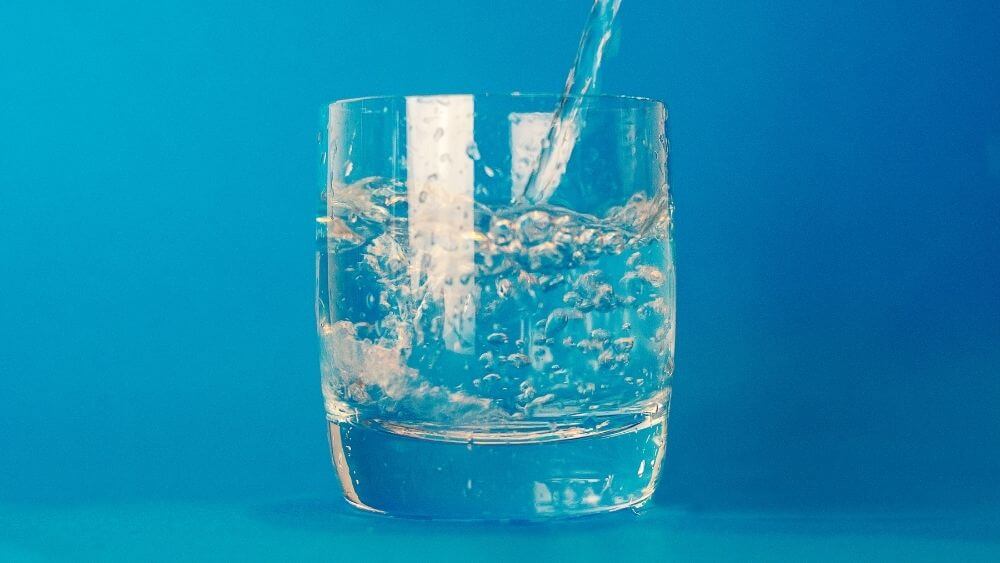
Water is vital for survival, supporting health, food production, and ecosystems. It regulates climate, enables hygiene, and sustains all living beings, making it indispensable for life on Earth.
Why Should We Drink Water?
Drinking water keeps our bodies hydrated, aiding digestion, circulation, and temperature regulation. It supports overall health, flushes out toxins, and ensures our organs function properly for a healthy life.