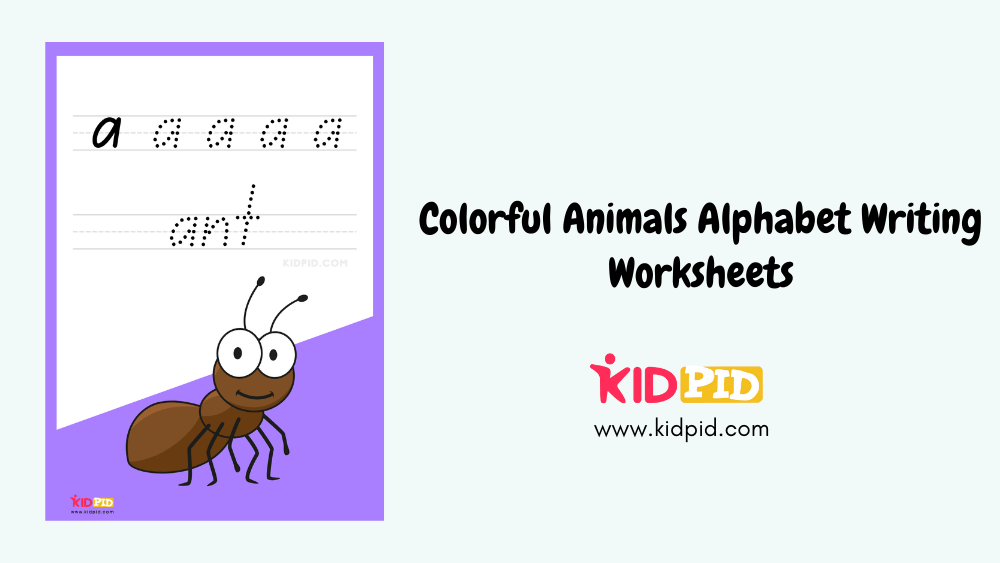
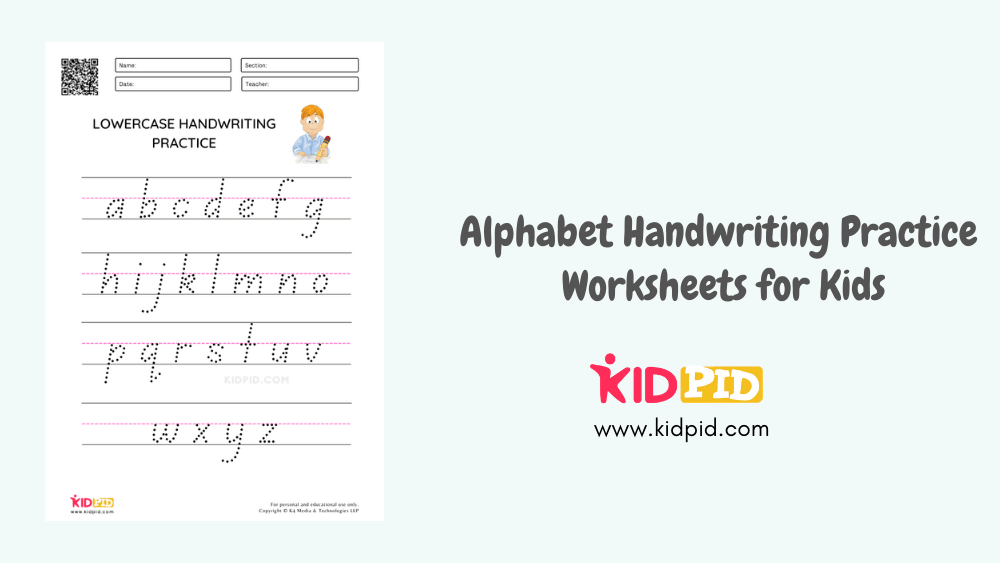
A lot can be said about a kid by looking at the way he writes. In this edition, we have brought some practice worksheets to help your kid improve their handwriting by writing the alphabet given in the worksheets. In primary classes, children are more conscious about their surroundings than we think they are. At a very young age, it is important to be attentive and careful about the knowledge being transferred to them.
Contents
- Alphabet Handwriting Practice Worksheets
- Key Facts About Alphabet Handwriting Practice Worksheets for Kids
- Parts/Types/Examples of Alphabet Handwriting Practice Worksheets for Kids
- How Does Alphabet Handwriting Practice Worksheets for Kids Work?
- Benefits of Learning About Alphabet Handwriting Practice Worksheets for Kids
- Learning Objectives
- Worksheet Instructions
- Interesting Facts About Alphabet Handwriting Practice Worksheets for Kids
- Vocabulary Words
- Real-Life Applications
- FAQs
- Q1. What age is suitable for alphabet handwriting practice worksheets?
- Q2. Why are handwriting worksheets important?
- Q3. Should children learn uppercase or lowercase letters first?
- Q4. How often should children practice handwriting?
- Q5. Can handwriting worksheets improve reading skills?
- Q6. Are tracing worksheets beneficial?
- Q5. What materials are needed?
- Q6. How can parents support handwriting practice at home?
- Q7. Do handwriting skills still matter in the digital age?
- Q8. What should a child do if they struggle with certain letters?
- You may like these:
Alphabet Handwriting Practice Worksheets

WORKSHEET 1
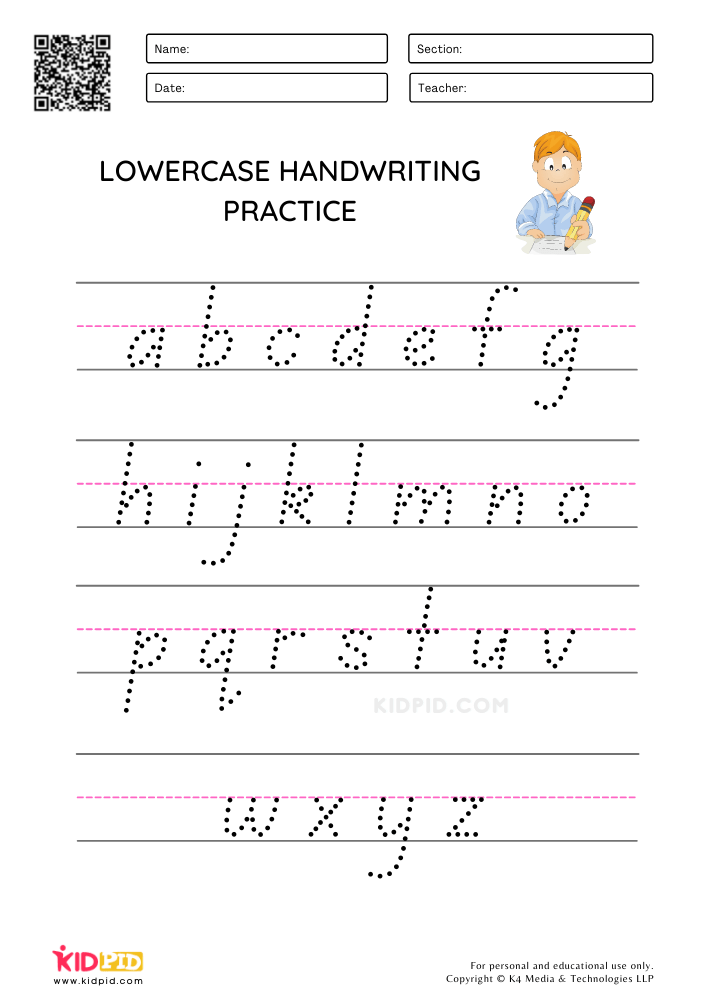
The first worksheet works on the lowercase handwriting practice, where the child will have to write down the alphabet, starting from a to z. This worksheet represents a variety of alphabets that kids of this generation are familiar with. A child will only feel confident when they know how to write down the alphabet, which they can fully understand. This is a great way to help them with the first worksheet and then leave them with the rest.
WORKSHEET 2
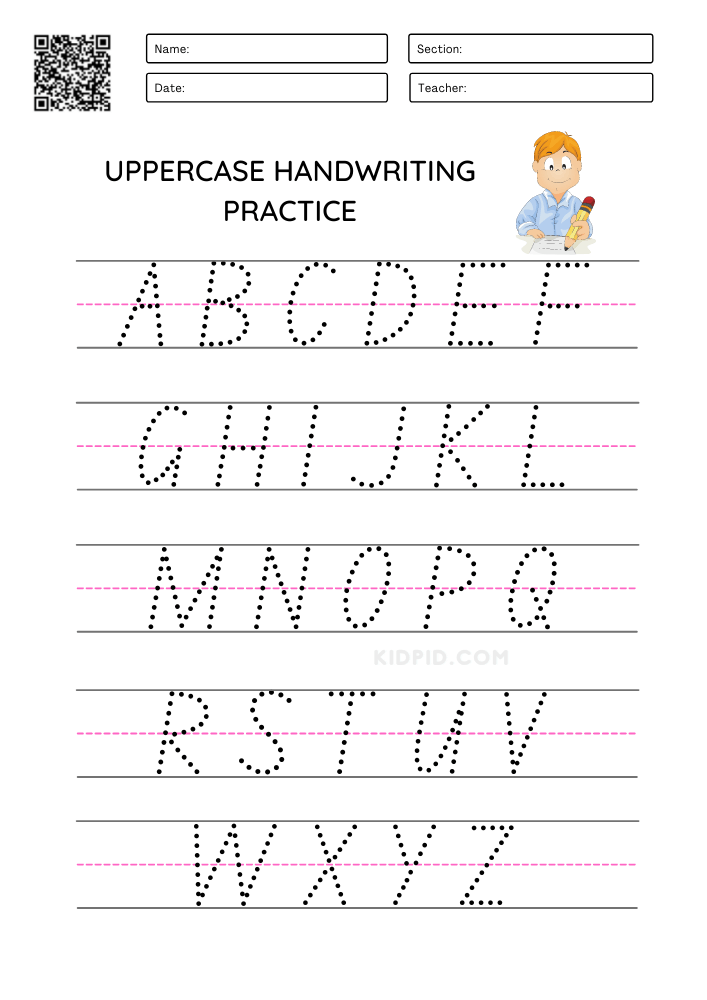
The second worksheet will work on Uppercase handwriting. Unlike the first one, this worksheet brings modification to the understanding levels of a child. Just like the previous worksheet, it’ll help children learn the concept and improve their handwriting. It is important to make sure that children keep themselves engaged in the worksheets and do not lose their attention. This becomes easy for the kids to pronounce after finishing the above worksheet.
Key Facts About Alphabet Handwriting Practice Worksheets for Kids
Alphabet Handwriting Practice Worksheets for Kids are designed to help children learn how to write uppercase and lowercase letters correctly. These worksheets provide guided tracing activities, letter formation exercises, and independent writing practice to build strong handwriting skills. They are especially beneficial for preschoolers, kindergarteners, and early elementary students who are developing fine motor control and letter recognition abilities.
Regular handwriting practice helps children improve pencil grip, hand-eye coordination, concentration, and early literacy skills. By repeatedly tracing and writing letters, young learners become more confident in recognizing and forming the alphabet, which supports future reading and writing success.
Parts/Types/Examples of Alphabet Handwriting Practice Worksheets for Kids
Parts of Alphabet Handwriting Worksheets
- Letter tracing lines
- Uppercase letter practice
- Lowercase letter practice
- Guided stroke formation
- Writing spaces for independent practice
- Picture associations for each letter
Types of Worksheets
- Uppercase alphabet tracing worksheets
- Lowercase alphabet tracing worksheets
- A-to-Z handwriting practice sheets
- Dotted letter tracing pages
- Alphabet coloring and writing worksheets
- Beginning sound handwriting worksheets
Examples
- Trace and write the letter A five times.
- Match the letter B with pictures beginning with B.
- Practice the uppercase and lowercase C together.
- Write the alphabet independently after tracing.
How Does Alphabet Handwriting Practice Worksheets for Kids Work?
These worksheets introduce one or more letters at a time using dotted or guided lines. Children first observe the correct letter formation and then trace the letters multiple times. After tracing, they practice writing the same letters independently in blank spaces.
Many worksheets also include pictures and words that begin with the target letter, helping children connect letter formation with phonics and vocabulary development. Consistent practice strengthens memory, improves handwriting accuracy, and encourages proper writing habits.
Benefits of Learning About Alphabet Handwriting Practice Worksheets for Kids
- Improves letter recognition skills.
- Develops proper handwriting techniques.
- Strengthens fine motor muscles in fingers and hands.
- Enhances pencil control and grip.
- Supports reading readiness.
- Builds confidence in writing.
- Encourages concentration and attention to detail.
- Creates a strong foundation for future language learning.
- Reinforces phonics and alphabet knowledge.
- Promotes independent learning habits.
Learning Objectives
By completing these worksheets, children will:
- Identify uppercase and lowercase letters.
- Practice correct letter formation.
- Develop fine motor and handwriting skills.
- Improve hand-eye coordination.
- Increase alphabet recognition.
- Strengthen early literacy skills.
- Connect letters with beginning sounds.
- Build confidence in writing independently.
- Improve focus and classroom readiness.
Worksheet Instructions
- Look at the letter displayed on the worksheet.
- Follow the arrows or dotted lines carefully.
- Trace each letter slowly and neatly.
- Repeat tracing until comfortable with the shape.
- Write the letter independently in the practice spaces.
- Say the letter name and sound aloud while writing.
- Complete any matching, coloring, or picture activities included.
- Review your work and practice difficult letters again.
Interesting Facts About Alphabet Handwriting Practice Worksheets for Kids
- The English alphabet contains 26 letters.
- Uppercase letters are often taught before lowercase letters because they have simpler shapes.
- Handwriting practice activates multiple areas of the brain involved in learning and memory.
- Writing letters by hand helps children remember them better than typing alone.
- Alphabet learning supports both reading and spelling development.
- Consistent handwriting practice improves overall academic performance in early grades.
- Fine motor development gained through handwriting helps with many daily tasks.
Vocabulary Words
Understanding these terms can help children learn handwriting more effectively:
- Alphabet – A set of letters used in a language.
- Uppercase Letters – Capital letters such as A, B, and C.
- Lowercase Letters – Small letters such as a, b, and c.
- Tracing – Following a dotted line to form a letter.
- Handwriting – Writing letters and words by hand.
- Letter Formation – The correct way to create a letter.
- Phonics – The relationship between letters and sounds.
- Pencil Grip – How a child holds a pencil while writing.
- Fine Motor Skills – Small muscle movements used for writing.
- Recognition – The ability to identify letters correctly.
Real-Life Applications
Alphabet handwriting skills are used in many everyday situations, including:
- Writing names on school assignments.
- Completing classroom activities.
- Creating greeting cards and notes.
- Making shopping or task lists.
- Writing letters and messages.
- Reading books and educational materials.
- Filling out forms as children grow older.
- Improving communication and literacy skills.
- Supporting academic success across all subjects.
FAQs
Q1. What age is suitable for alphabet handwriting practice worksheets?
Answer: Most children begin using these worksheets between ages 3 and 6, depending on their developmental readiness.
Q2. Why are handwriting worksheets important?
Answer: They help children develop letter formation, fine motor skills, and early literacy abilities that support reading and writing success.
Q3. Should children learn uppercase or lowercase letters first?
Answer: Many educators introduce uppercase letters first because they are generally easier to form, followed by lowercase letters.
Q4. How often should children practice handwriting?
Answer: Short daily sessions of 10–15 minutes are usually more effective than longer, less frequent practice periods.
Q5. Can handwriting worksheets improve reading skills?
Answer: Yes. Recognizing and writing letters helps children connect letter shapes with sounds, supporting reading development.
Q6. Are tracing worksheets beneficial?
Answer: Yes. Tracing provides guided practice that helps children learn correct letter formation before writing independently.
Q5. What materials are needed?
Answer: A pencil, eraser, crayons (optional), and printed handwriting worksheets are usually sufficient.
Q6. How can parents support handwriting practice at home?
Answer: Parents can encourage regular practice, demonstrate proper pencil grip, praise effort, and provide a quiet learning environment.
Q7. Do handwriting skills still matter in the digital age?
Answer: Absolutely. Handwriting supports cognitive development, memory retention, fine motor skills, and effective written communication.
Q8. What should a child do if they struggle with certain letters?
Answer: Continue practicing those letters with tracing exercises, visual demonstrations, and positive encouragement until confidence improves.
This is all a kid needs in his early days before going to school. It will also encourage them to complete the course of handwriting in both lower and upper case in a very simple way. So, give your best to make your kid smart by not letting him get dull or bored. If the child is already ready to go to school, he should be well prepared; these worksheets help him to be so. These are very helpful as they don’t let the child get dull. Make learning enjoyable with educational paragraphs, worksheets, essays, flashcards, quizzes, and creative activity resources available on our website. Join us on YouTube & Facebook.
The Content Team created this worksheet to enhance student success.
Reviewed By Manpreet Kaur
You may like these:
Flashcards for A-Z Movement Breaks
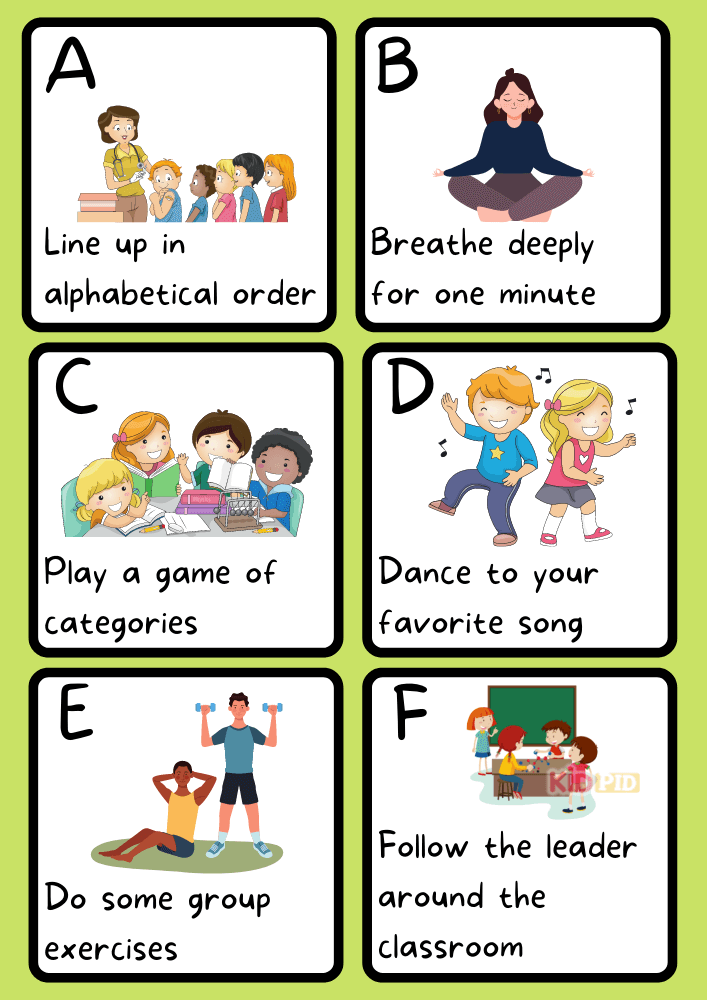
These flashcards combine learning letters with physical activities, helping kids stay active while practicing the alphabet through fun and engaging movement exercises.
Matching Game for the Alphabet

A fun game where kids match uppercase and lowercase letters, improving letter recognition and memory skills while enjoying interactive play.
Picture-Based Alphabet Bingo Boards

Bingo boards featuring letters and pictures, allowing kids to learn the alphabet through a playful game that enhances recognition and association of sounds.
Creative Methods to Teach Kids the English Alphabet
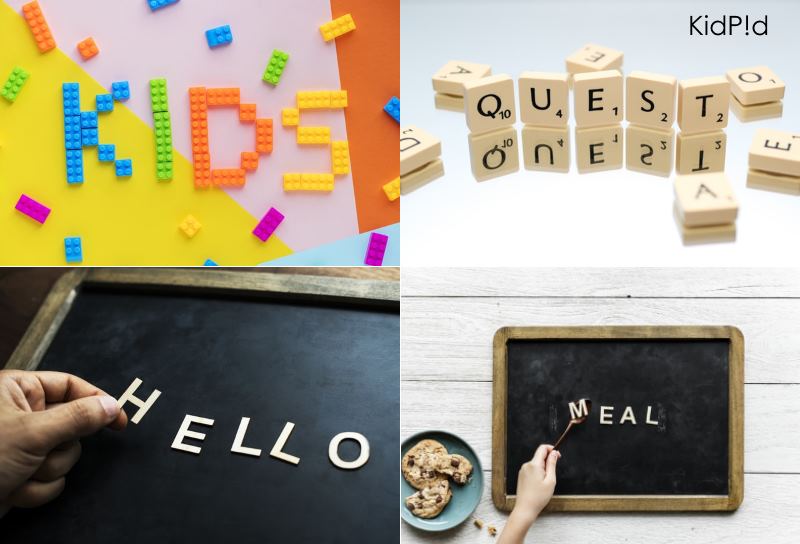
Innovative techniques like songs, games, and art can make learning the alphabet exciting, ensuring kids stay engaged and absorb knowledge effectively.
Writing Sentences with A-Z for Kids
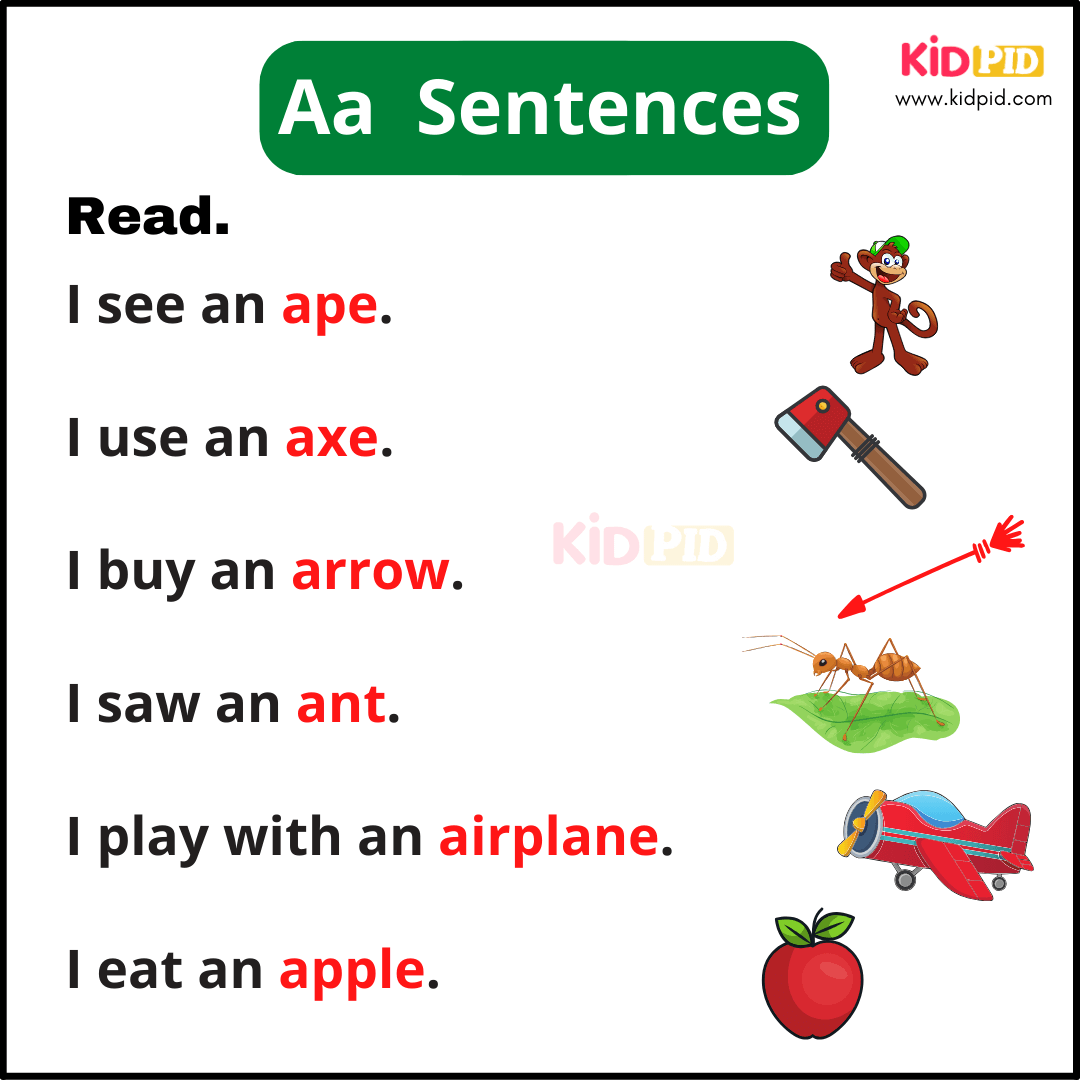
Kids practice writing sentences using each letter of the alphabet, building vocabulary, grammar skills, and confidence in creating meaningful and structured sentences.