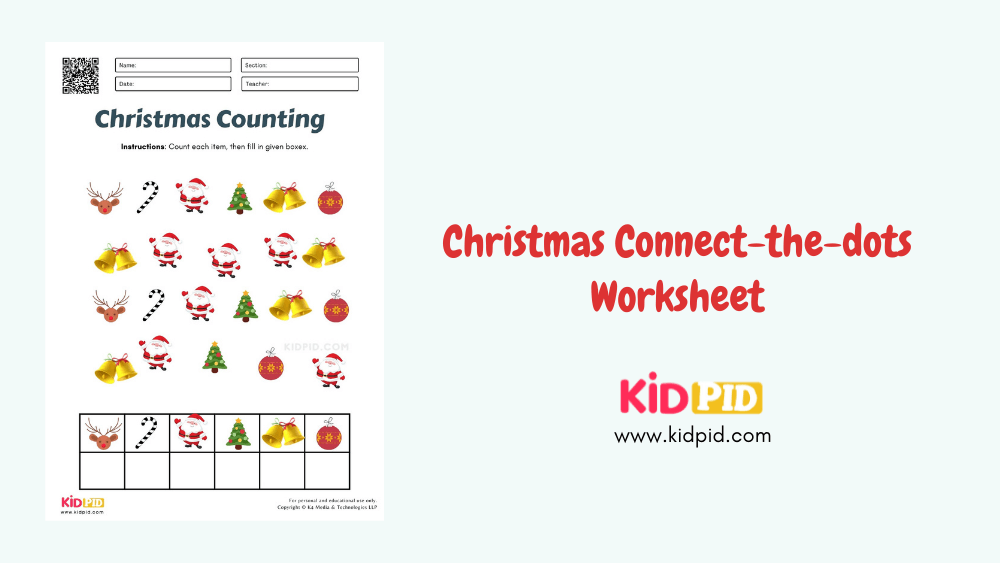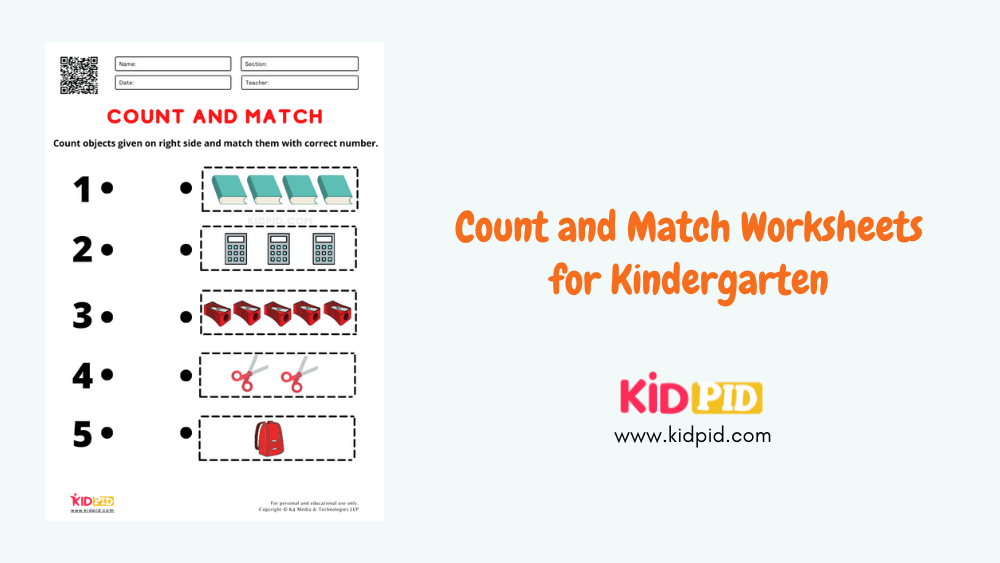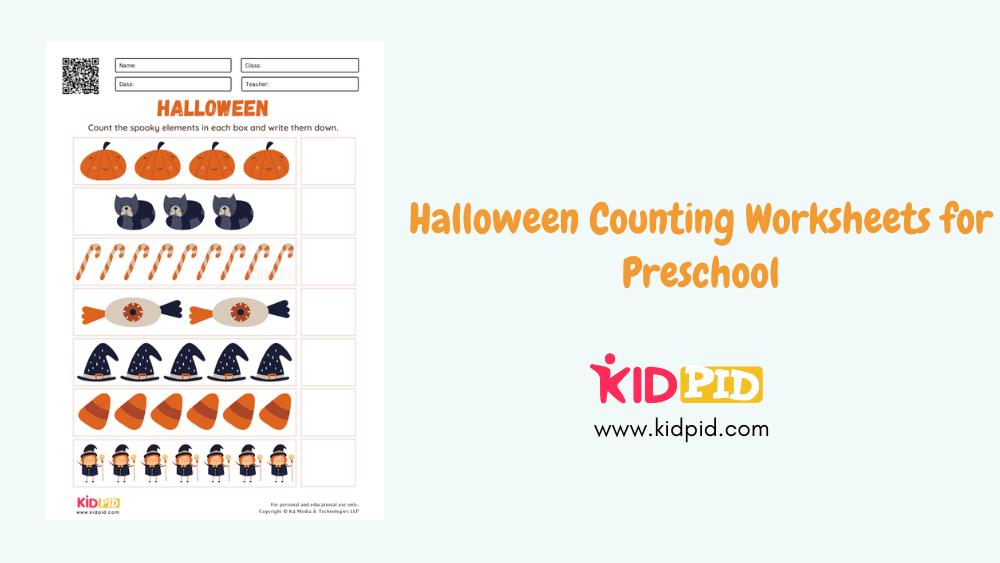
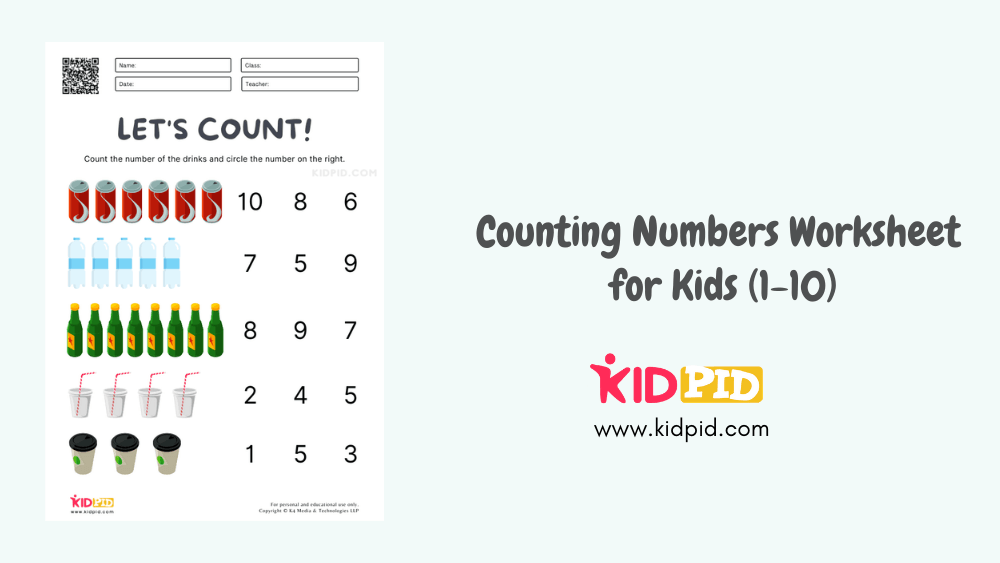
Counting numbers is the focus of these worksheets. They’re fashioned distinctively. Instead of asking for the numbers directly, things are constructed in such a way that you must count them and mark the proper numbers. Every piece is distinct and one-of-a-kind in its own way. Various things, Different shapes, and colors will entice your youngster to learn more about them, making learning easier.
Contents
- Counting Number Practice Worksheets
- Key Facts About Counting Numbers Worksheet for Kids 1–10
- Parts/Types/Examples of Counting Numbers Worksheet for Kids 1–10
- How Does Counting Numbers Worksheet for Kids 1–10 Work?
- Benefits of Learning About Counting Numbers Worksheet for Kids 1–10
- Learning Objectives
- Worksheet Instructions
- Interesting Facts About Counting Numbers 1–10
- Real-Life Applications
- FAQs
- Q1. What age group is this worksheet suitable for?
- Q2. Why is counting from 1 to 10 important?
- Q3. Can children use these worksheets independently?
- Q4. How often should children practice counting?
- Q5. Do counting worksheets help with handwriting?
- Q6. Are these worksheets useful for homeschooling?
- Q7. What skills do children develop besides counting?
- Q8. How can parents make counting practice more engaging?
Counting Number Practice Worksheets

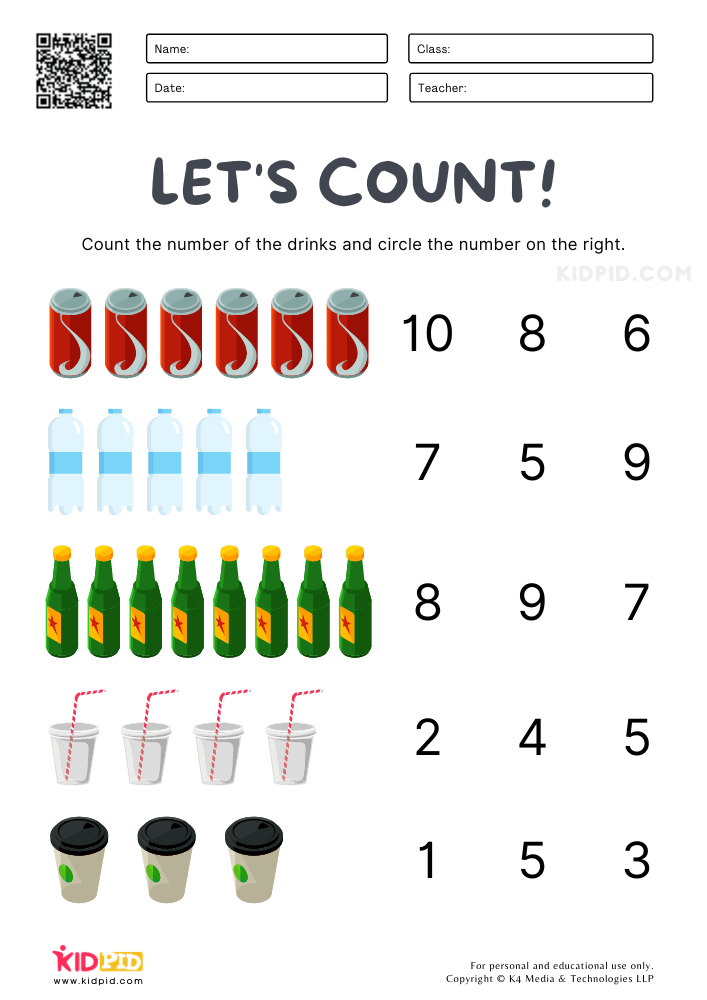
Observing and counting various items will assist your youngster in learning about new things and stuff. Children are keen observers and are at a stage where they can acquire as much information as possible. Making children more conscious of their surroundings will aid their personal development.
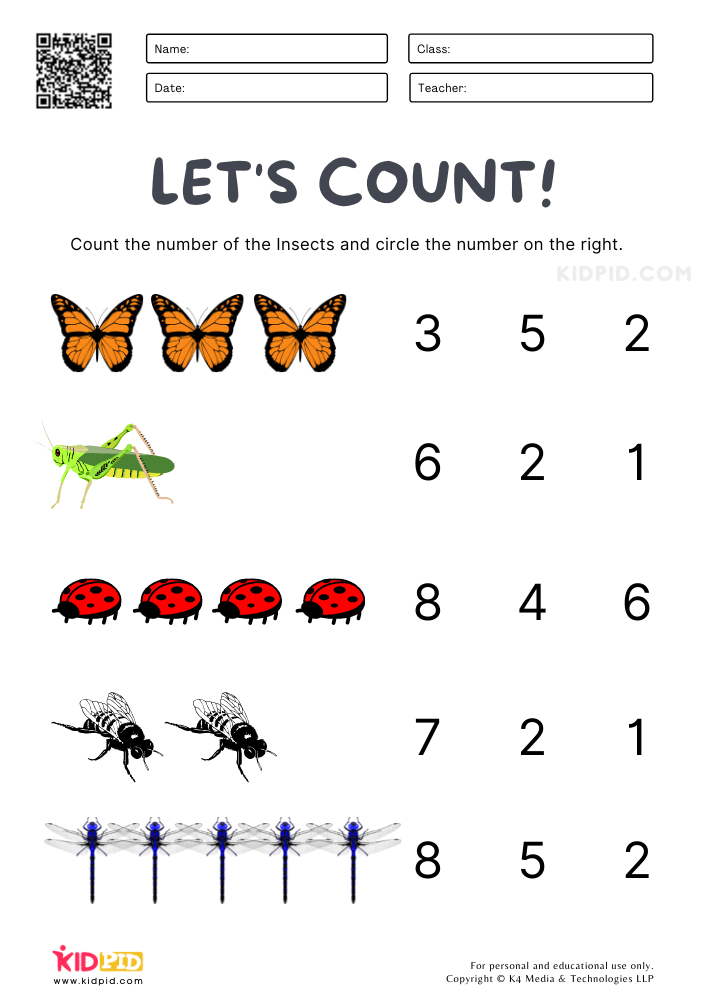
Knowing and studying different topics in a worksheet will assist them in improving their abilities and learning capacity all at once. It is your responsibility as parents to look up to your children and help them comprehend new concepts. Developing cognitive abilities in your child at a young age will benefit him or her in the future.
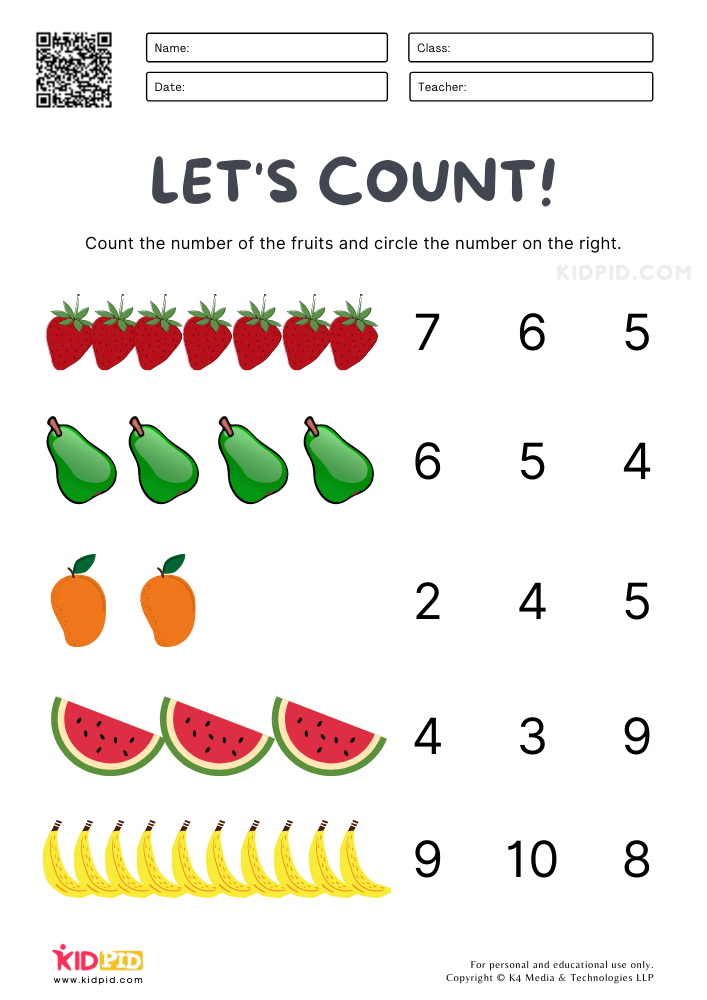
Every worksheet is unique and follows a certain pattern, such as the varieties of balls used in this worksheet. You may teach your toddlers about different sorts of balls, as well as how to discriminate between them, by using images. Knowing a lot about their surroundings will boost their interest in learning more and their ability to explore.
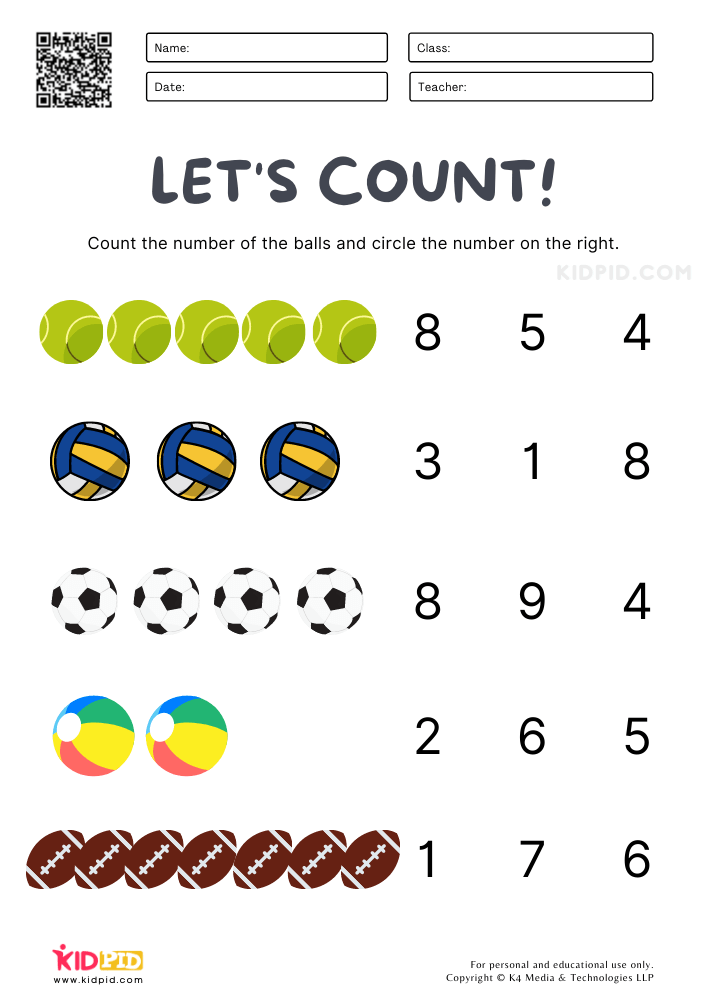
In this worksheet, counting and learning about vegetables go hand in hand. Various vegetables, such as tomatoes and broccoli, might be detected. Your kid can identify the objects, count them, and then circle the correct answers.
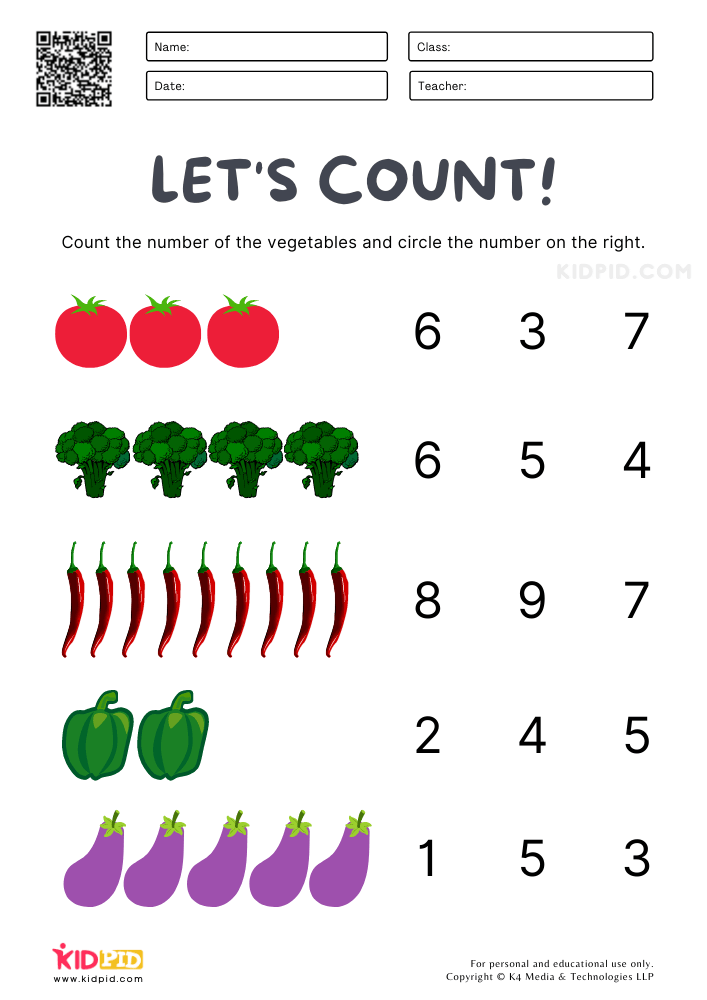
Worksheets should be done on a regular basis to help your child improve his or her mathematical aptitude. Because you have made them complete the previous worksheets, you can now let them sit alone and finish them on their own. These worksheets have been written in an easy-to-understand format.
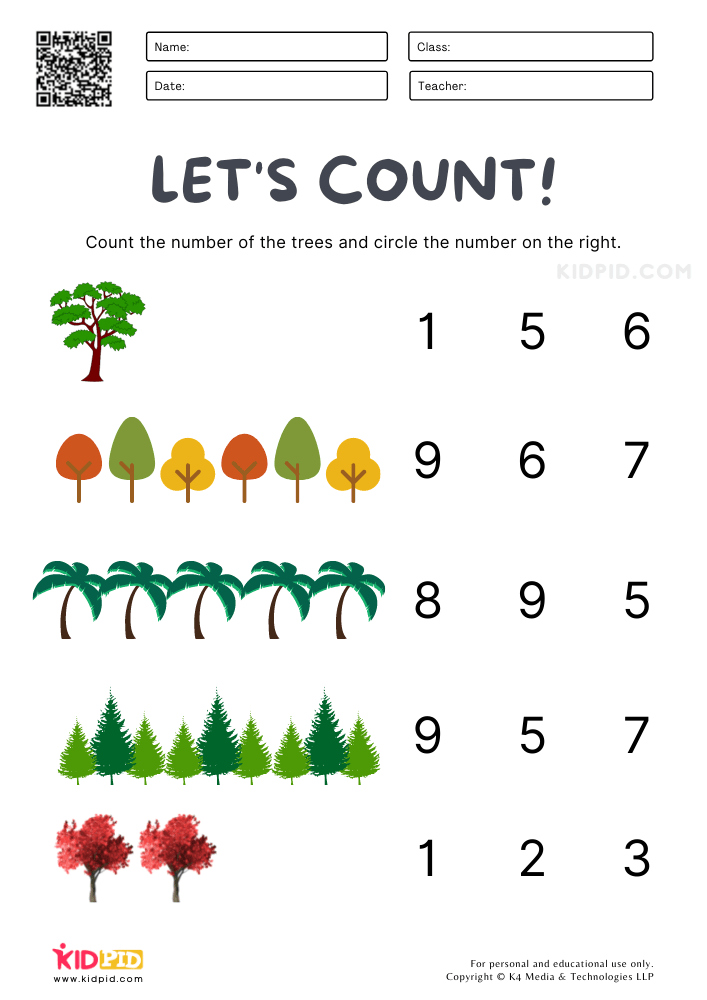
Children will learn a lot about marine animals and their many characteristics via this worksheet. They will be able to sharpen their thoughts and improve their talents with the help of these worksheets. They will be able to recognize the sum’s pattern and solve it in their own unique method.
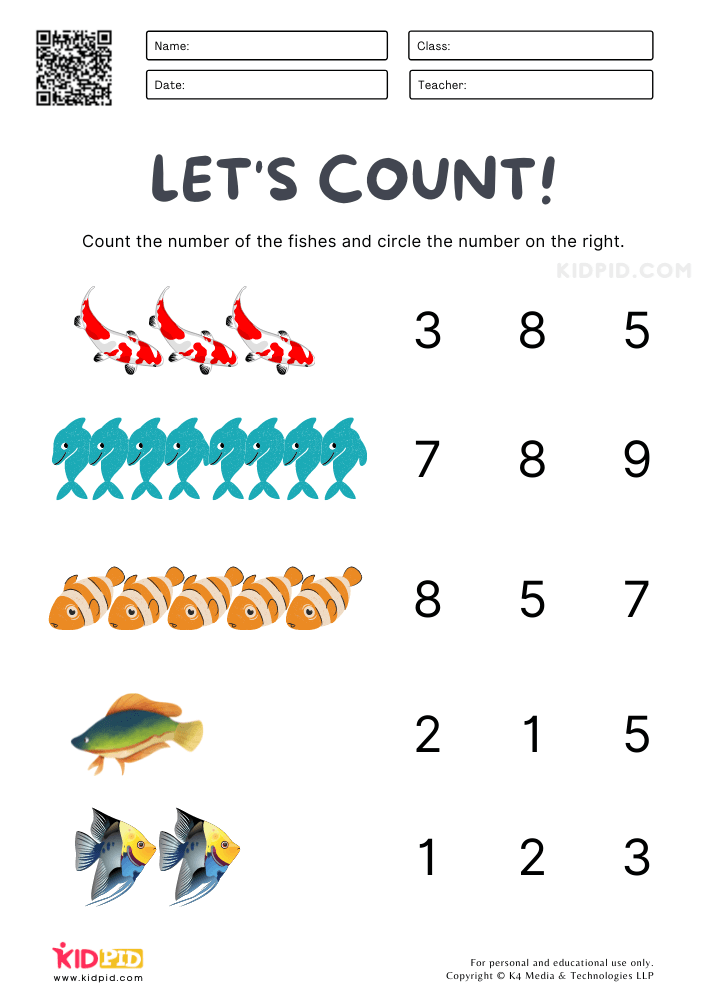
These worksheets can be printed and used again for further practice. Many worksheets are included, so you don’t have to go looking for information elsewhere and can get it all in one place. The printout will help your child better grasp how to solve the problems.
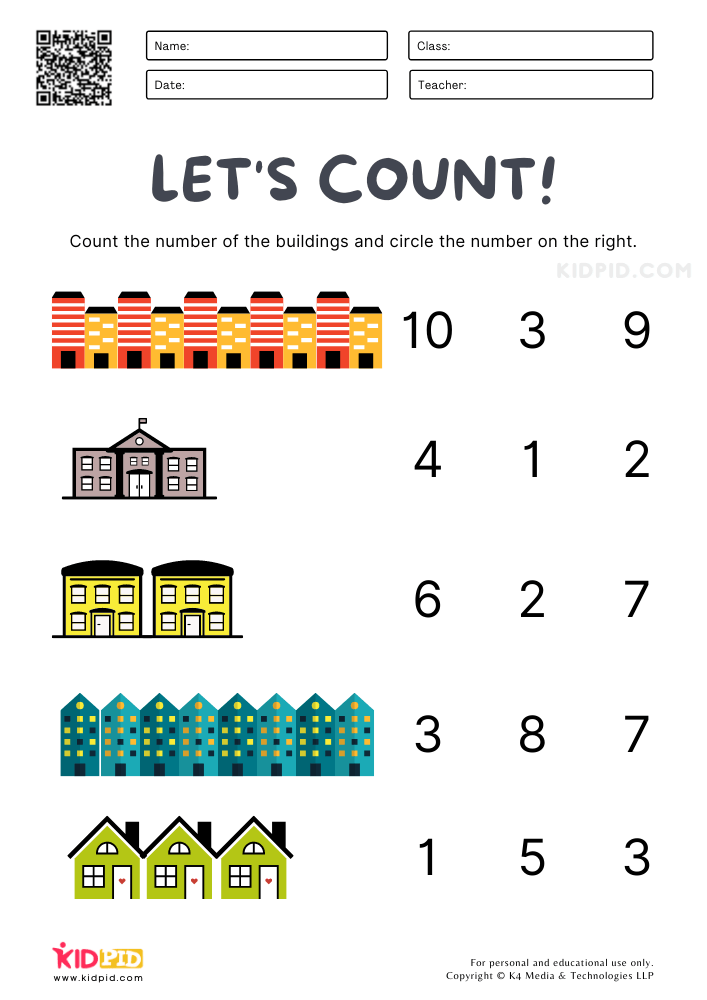
Different designs and patterns will entice your youngster and pique his or her interest in learning. They will not get bored while working on the worksheet. On another piece of paper, have them sketch and color the things as instructed in the worksheet. This will help students develop their talents and grow as individuals.
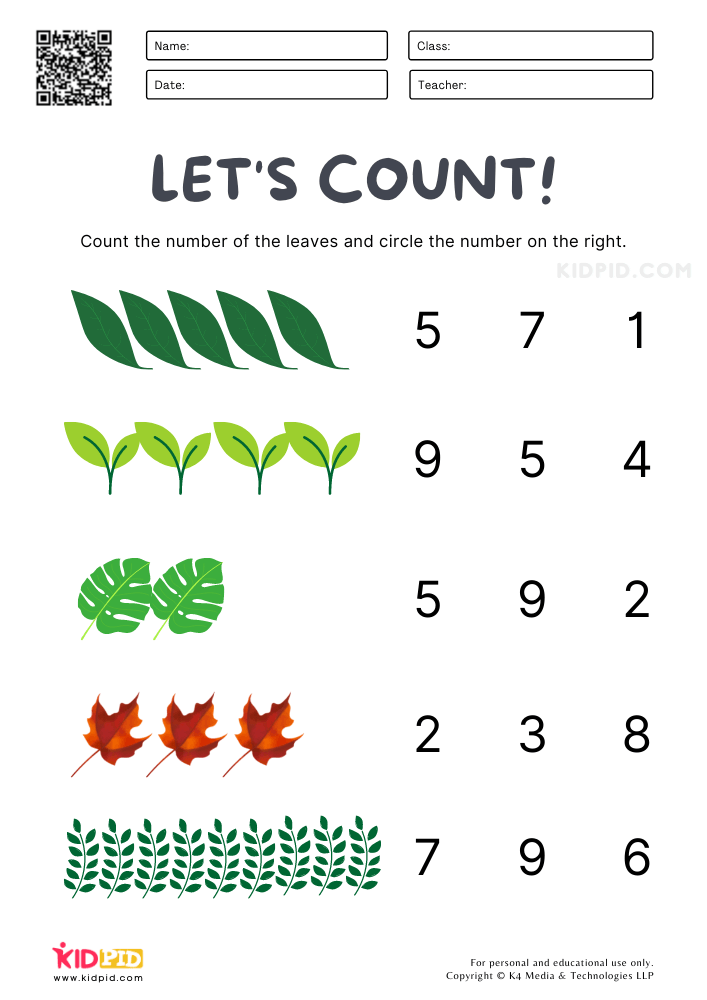
Remember that frequent practice is essential, so continue to practice the worksheet and have them complete the sums. Because the children are in a critical learning period, parents should pay close attention to them while they work on these worksheets.
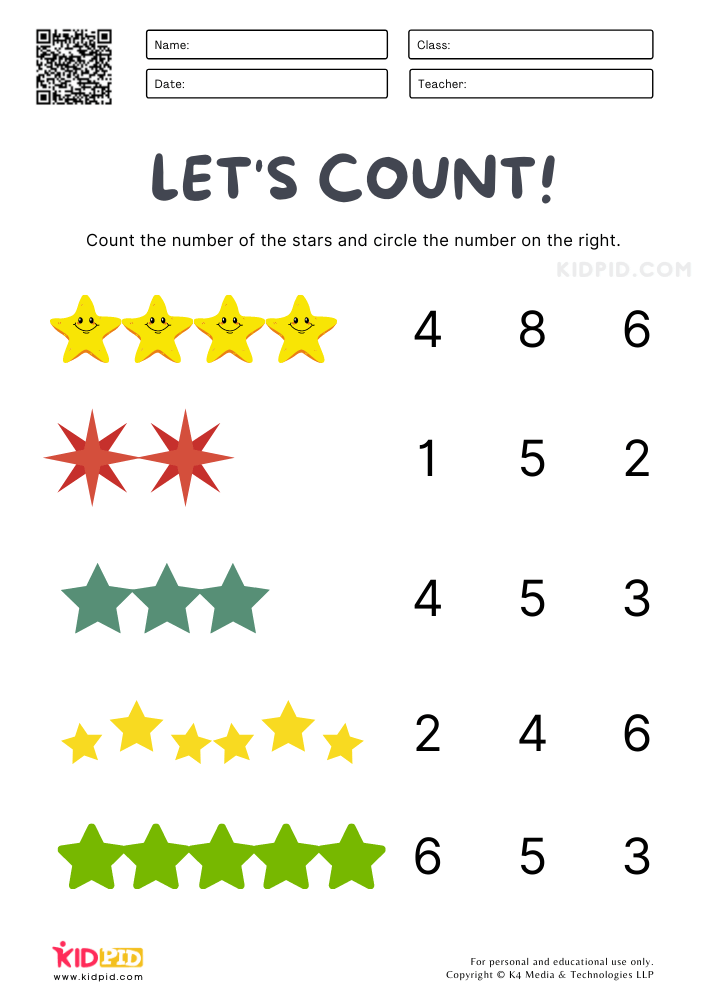
Key Facts About Counting Numbers Worksheet for Kids 1–10
Counting Numbers Worksheets for Kids 1–10 are designed to help young learners build a strong foundation in early mathematics. These worksheets introduce children to number recognition, counting skills, quantity understanding, and number sequencing in a fun and interactive way. Suitable for preschoolers, kindergarteners, and early elementary students, these activities support cognitive development and improve confidence in basic math concepts. Through visual exercises and hands-on practice, children learn to connect numbers with real-world quantities.
Parts/Types/Examples of Counting Numbers Worksheet for Kids 1–10
Different types of counting worksheets help children learn numbers in various engaging ways:
Number Recognition Worksheets
- Identify and circle numbers from 1–10.
- Match numbers with their names.
Object Counting Worksheets
- Count pictures such as fruits, animals, or toys.
- Write the correct number below each group.
Number Tracing Worksheets
- Trace numbers 1–10.
- Improve handwriting and number formation.
Missing Number Activities
- Fill in the missing numbers in a sequence.
- Practice counting forward.
Match and Count Exercises
- Match quantities to the correct numeral.
- Connect objects with corresponding numbers.
Example Activities
- Count 5 apples and write “5.”
- Trace the number 8 three times.
- Find the missing number between 6 and 8.
How Does Counting Numbers Worksheet for Kids 1–10 Work?
These worksheets provide structured practice that helps children understand numbers and quantities. Students observe objects, count them carefully, and then write or select the correct number. Tracing activities improve fine motor skills, while matching exercises strengthen visual recognition and logical thinking. Repetition through various worksheet formats reinforces learning and helps children remember number concepts more effectively.
Benefits of Learning About Counting Numbers Worksheet for Kids 1–10
- Develops early numeracy skills.
- Strengthens number recognition abilities.
- Improves counting accuracy.
- Builds confidence in mathematics.
- Enhances concentration and observation skills.
- Supports fine motor development through tracing.
- Encourages independent learning.
- Prepares children for addition and subtraction.
- Improves problem-solving and logical thinking.
- Makes learning fun through visual activities.
Learning Objectives
By completing these worksheets, children will be able to:
- Recognize numbers from 1 to 10.
- Count objects accurately.
- Associate numbers with quantities.
- Write numbers correctly.
- Complete simple number sequences.
- Identify missing numbers.
- Improve hand-eye coordination.
- Develop foundational math skills.
- Build confidence in counting activities.
- Prepare for more advanced numerical concepts.
Worksheet Instructions
- Look carefully at each question or picture.
- Count the objects one by one.
- Write the correct number in the provided space.
- Trace numbers neatly following the dotted lines.
- Match numbers to the correct groups of objects.
- Complete any missing numbers in the sequence.
- Double-check your answers before moving on.
- Use a pencil and work at your own pace.
Interesting Facts About Counting Numbers 1–10
- Counting is one of the first math skills children learn.
- The numbers 1–10 form the foundation of the base-ten number system.
- Young children often learn counting through songs and rhymes.
- Number recognition helps develop early problem-solving skills.
- Counting everyday objects strengthens real-world math understanding.
- Ancient civilizations used counting systems long before modern mathematics developed.
- Learning numbers early supports future success in math and science subjects.
Real-Life Applications
Counting skills are used every day in many situations:
- Counting toys during playtime.
- Sharing snacks equally among friends.
- Counting steps while walking.
- Keeping track of classroom supplies.
- Measuring ingredients while cooking.
- Counting money and understanding prices.
- Organizing books, pencils, or other belongings.
- Participating in games that require scorekeeping.
- Following numbered instructions.
- Managing simple daily tasks independently.
FAQs
Q1. What age group is this worksheet suitable for?
Answer: These worksheets are ideal for children aged 3–6 years, including preschool and kindergarten students.
Q2. Why is counting from 1 to 10 important?
Answer: Counting from 1 to 10 establishes the foundation for future mathematical concepts such as addition, subtraction, multiplication, and problem-solving.
Q3. Can children use these worksheets independently?
Answer: Yes. Many activities are simple enough for independent practice, though younger children may benefit from adult guidance.
Q4. How often should children practice counting?
Answer: Short daily practice sessions of 10–15 minutes can significantly improve counting and number recognition skills.
Q5. Do counting worksheets help with handwriting?
Answer: Yes. Number tracing activities strengthen fine motor skills and improve number-writing accuracy.
Q6. Are these worksheets useful for homeschooling?
Answer: Absolutely. They are excellent resources for homeschooling, classroom learning, tutoring sessions, and extra practice at home.
Q7. What skills do children develop besides counting?
Answer: Children improve concentration, observation, fine motor skills, hand-eye coordination, logical thinking, and confidence in learning.
Q8. How can parents make counting practice more engaging?
Answer: Parents can use toys, fruits, blocks, books, and everyday household items to reinforce counting concepts learned in the worksheets.
Develop number confidence with these Counting Numbers (1–10) worksheets for kids. Children practice counting, number recognition, and one-to-one correspondence through engaging activities. Regular practice strengthens early math skills and builds a solid foundation for future learning. Explore fun worksheets, essays, paragraphs, flashcards, quizzes, and interactive resources on our website. Follow us on YouTube & Facebook.
This worksheet is designed by the Content Team to encourage overall learning success.
Reviewed By Riten
Read More: