

If you are preparing your kid for preschool, you might want to give them a head start in letter recognition so that they can have an upper hand in learning ahead, and this is the very reason why we have brought an entire compilation of letter recognition worksheets for preschool. So, let’s get started.
[Scroll Down for Download Link]
Contents
- Letter Recognition Preschool Worksheets
- A is for Apple
- B is for Bee
- C is for Cat
- D is for Dog
- E is for Elephant
- F is for Frog
- G is for Grape
- H is for House
- I is for Ice Cream
- J is for Jar
- K is for Kite
- L is for Lion
- M is for Mango
- N is for Nest
- O is for Octopus
- P is for Penguin
- Q is for Queen
- R is for Rat
- S is for Strawberry
- T is for Tree
- U is for Unicorn
- V is for Vegetables
- W is for Watch
- X is for Xylophone
- Y is for Yacht
- Z is for Zebra
- Key Facts About Letter Recognition Worksheets
- Parts, Types, and Examples of Letter Recognition Activities
- How Do Letter Recognition Worksheets Work?
- Benefits of Learning About Letter Recognition
- Learning Objectives
- Worksheet Instructions
- Interesting Facts About Alphabet Learning
- Real-Life Applications
- FAQs
Letter Recognition Preschool Worksheets
A is for Apple
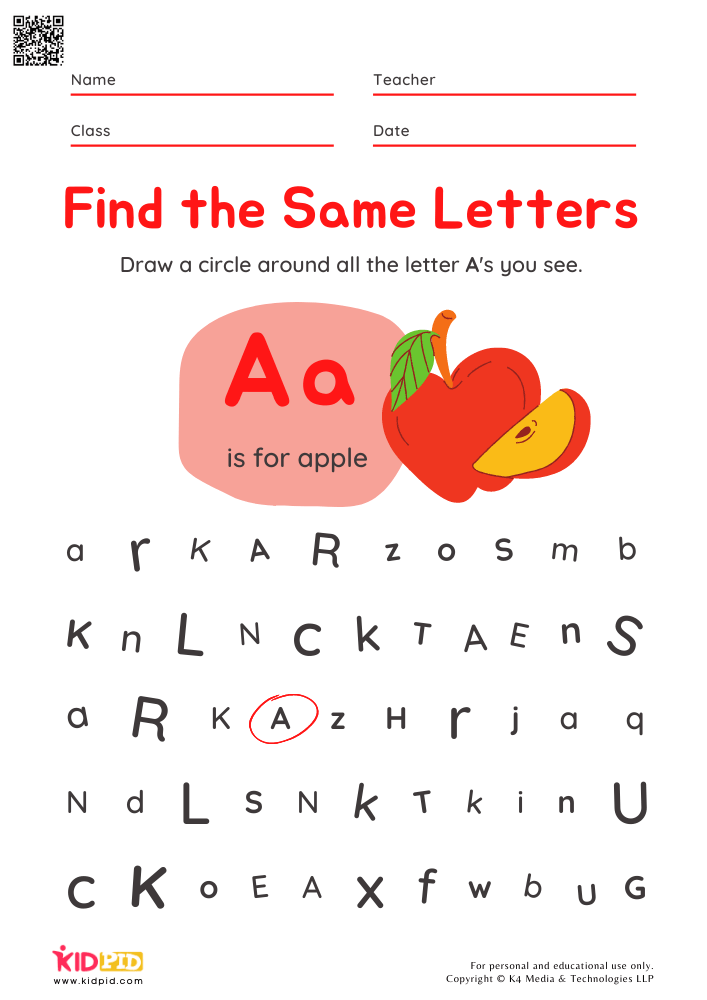
This is a worksheet with the letter ‘A’ on it. Along with the specific letter recognition, you are helping your kid learn the word that originated from the letter, and the word is ‘apple’. After you have helped your kid in familiarizing the letter and the word, you can teach about the benefits of apples.
B is for Bee
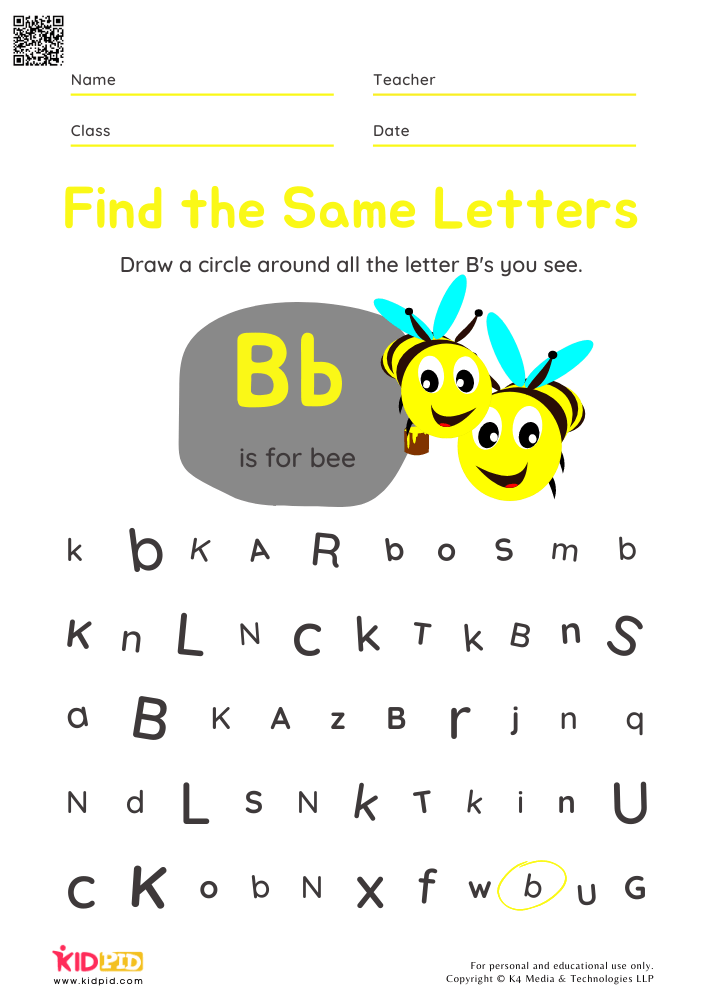
The next worksheet is the letter recognition of ‘B,’ and the word that originated from it is ‘bee’. You can use this to teach your kid all about honey bees and how their colony is distributed. This will expand the learning of your kid, and in turn, he or she will have so much to share with his or her friends.
C is for Cat
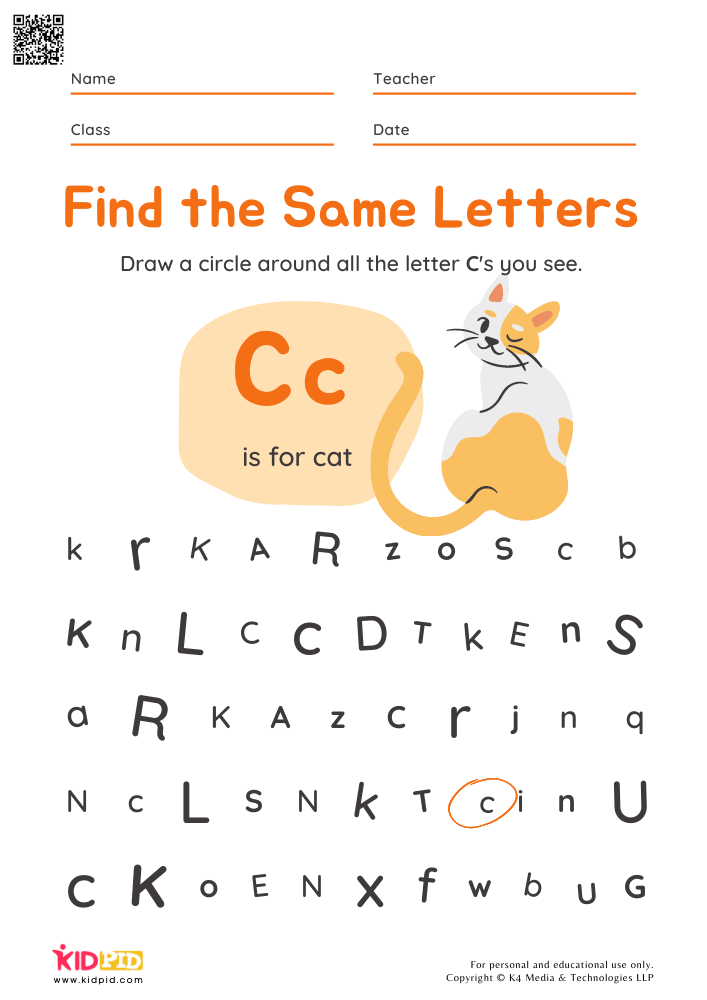
The third letter recognition is the letter ‘C,’ and the word that originated from it is cat. So, just in case you have a cat as a pet in your house, you can describe it to your kid. This will genuinely help your kid understand the beautiful species.
D is for Dog
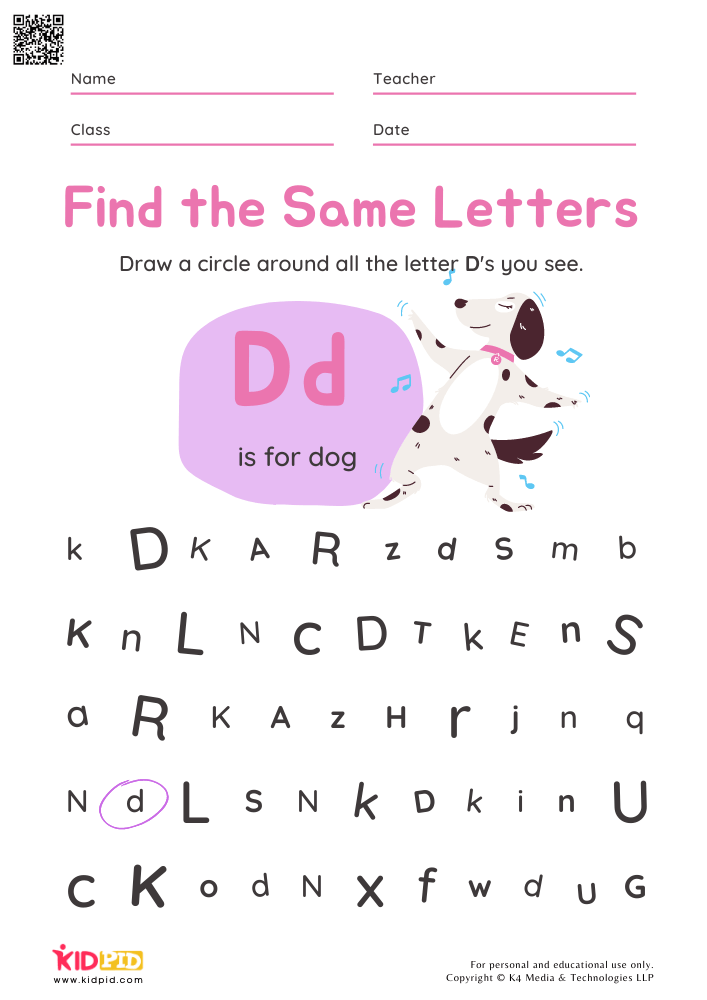
The next letter from the letter recognition is ‘D’. The word originated from dog. This is a great opportunity to teach your kid about the dog and the reason why it is called a human’s best friend. With this, was the knowledge of your kid will not be limited but will be vast.
E is for Elephant
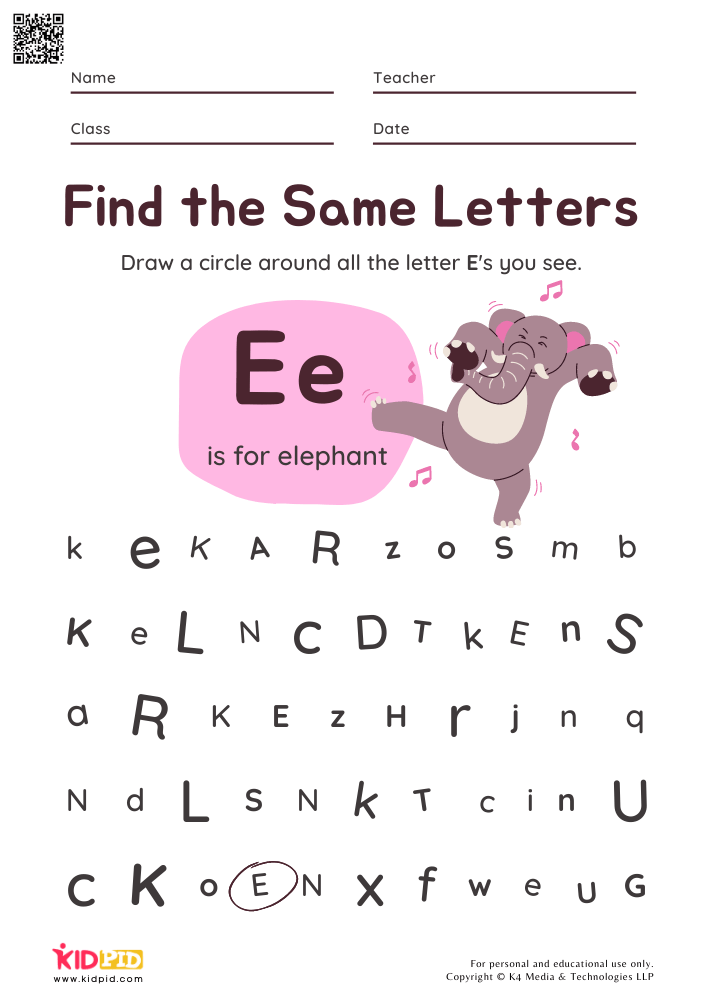
The next letter recognition is of the letter ‘E’. The word originated from the letter ” elephant. This will help them understand what an elephant is and how precious and beautiful they are to nature.
F is for Frog
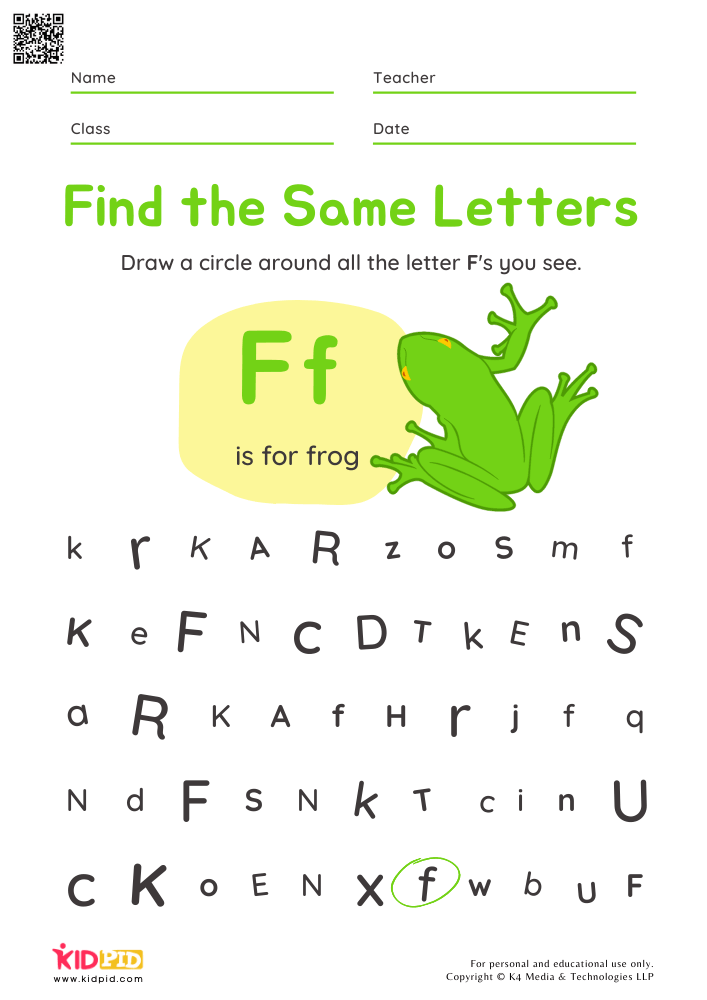
The next letter from the letter recognition category is ‘F,’ and the word that originated from it is frog. A frog is a creature that lives both on land and in water. You can use the above worksheet to help your kid to learn about the letter ‘F’ and the green creature word that originated from it.
G is for Grape
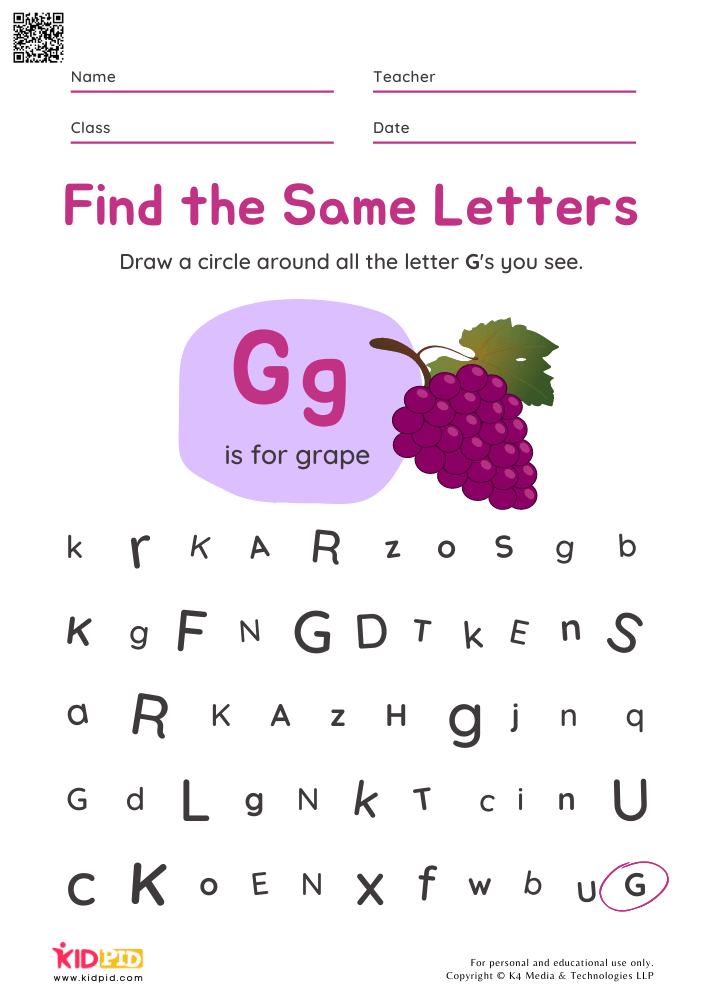
The next letter for the letter recognition is ‘G’. The word that is shown from the very letter is that of a picture of a grape for a better and clearer understanding. After you have handed the worksheet to your kid, you can ask him to encircle the starting letter of the word ‘grape’ in it.
H is for House
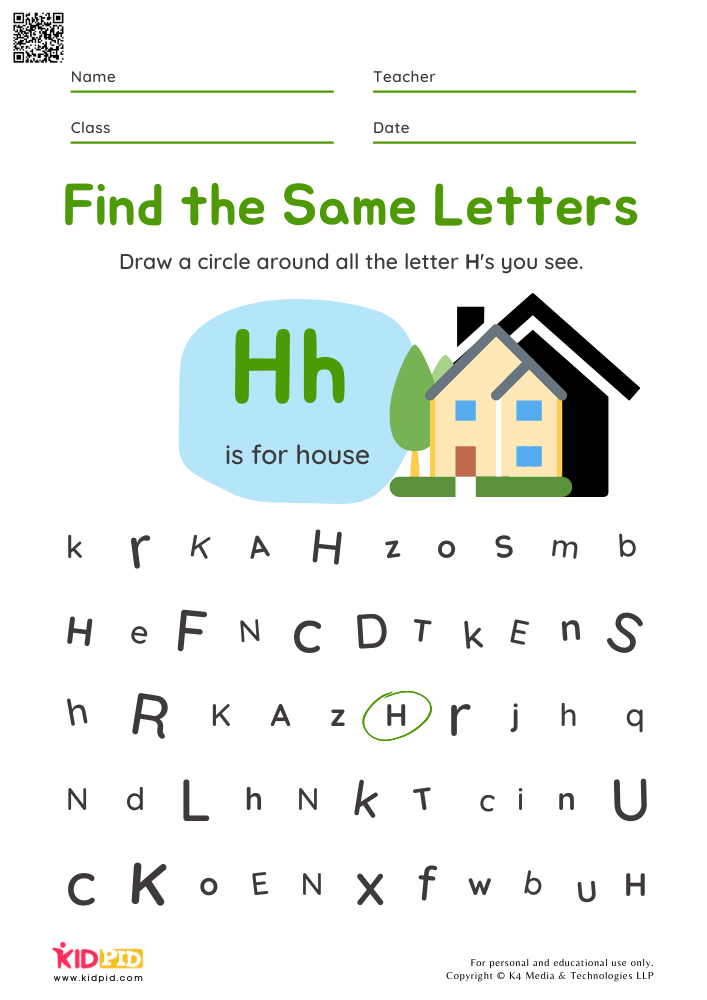
The above letter recognition worksheet is of the letter ‘H,’ while the word that originated from it is ‘house’. You can ask your kid to encircle the letter ‘h’ after you are done handing them the letter recognition sheets.
I is for Ice Cream
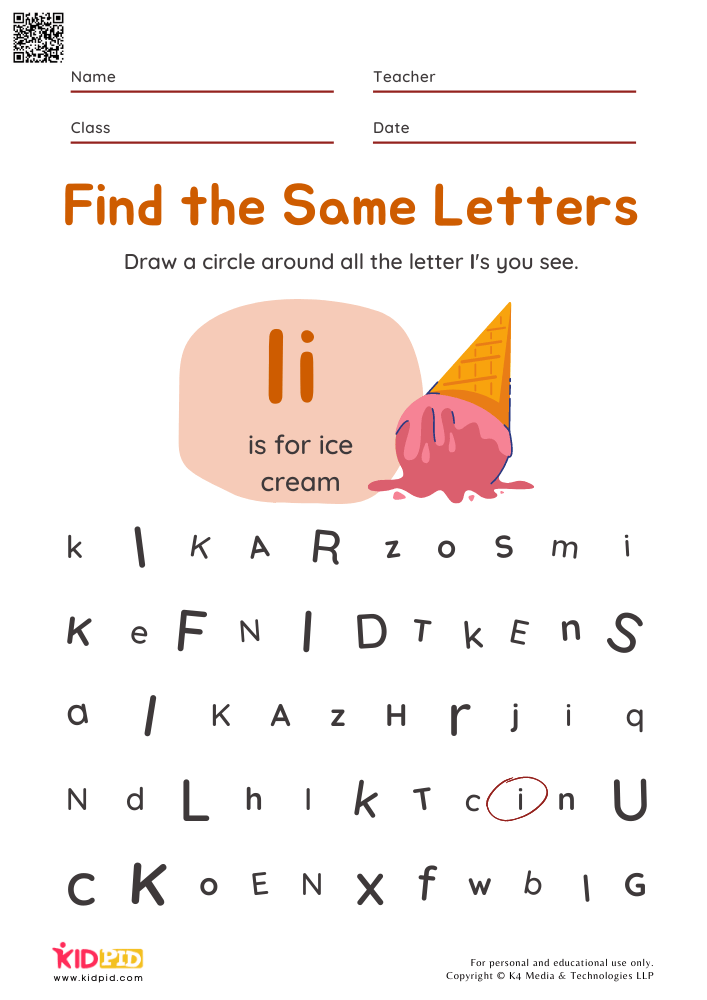
The next letter recognition sheet is of the letter ‘I’. The very word that originated from the word ” ice cream and your kid might get interested in learning the letter, as most of the kids tend to have a special affection for ice cream.
J is for Jar
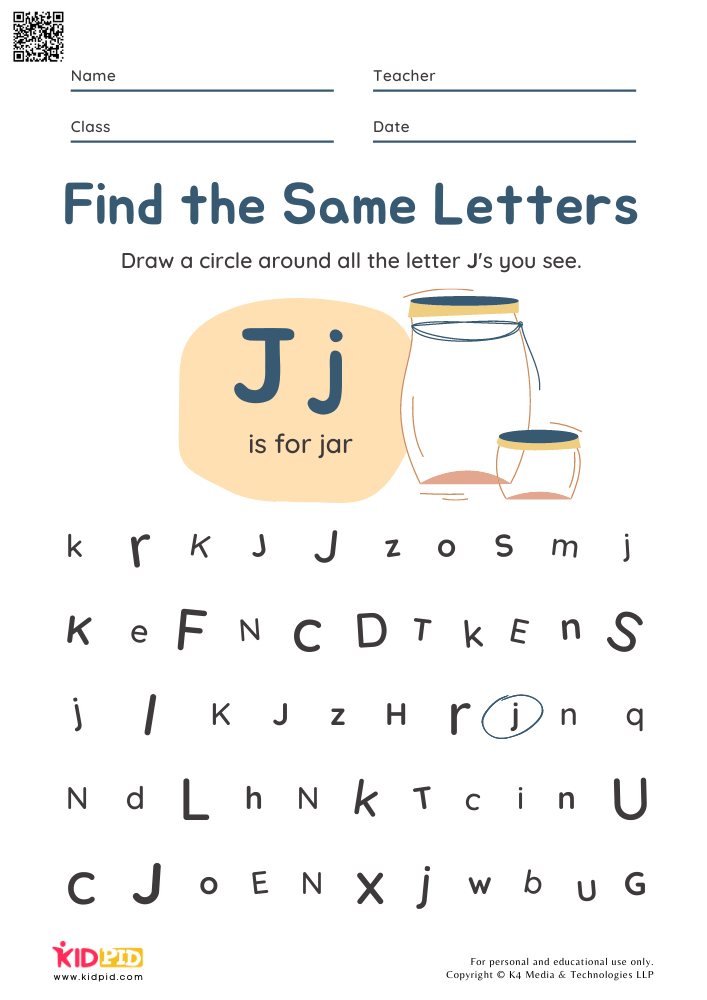
The letter recognition worksheet is now of ‘J’. To help your kid understand the letter in a more refined L form, the word that is used above is ‘jar’. With the help of this word, it can be very easy for your kid to grasp what you are trying to make them understand.
K is for Kite
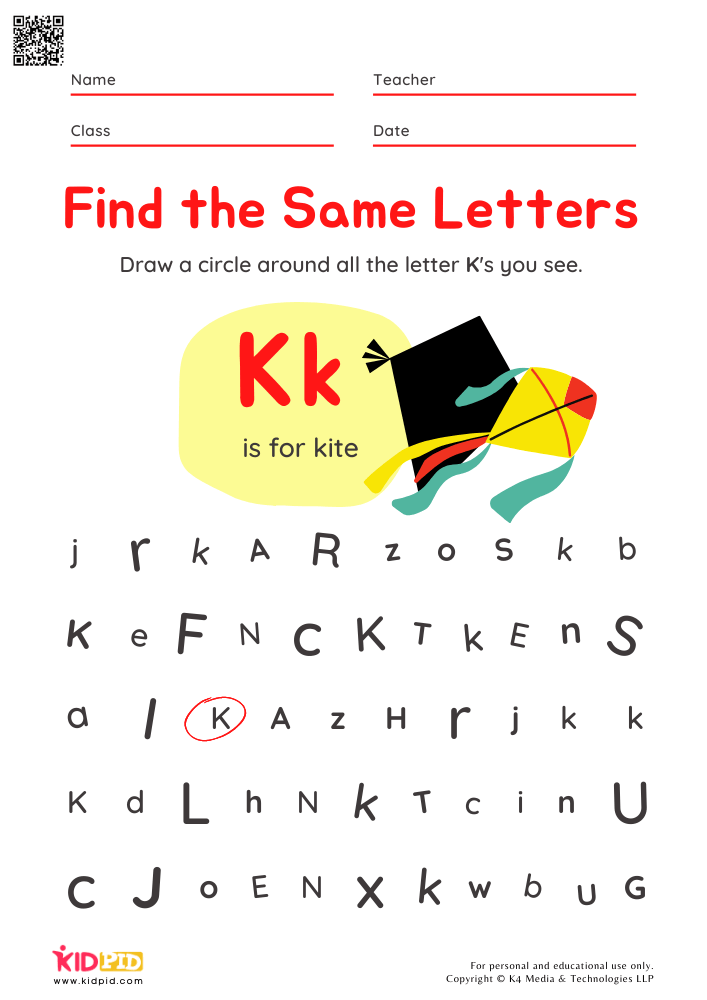
Now, ‘K’ is the letter from the letter recognition worksheet that your kid needs to learn. For a simplified understanding, the word that is used is ‘kite’. Through the image illustration of a kite, the kid will get what the worksheet is hinting at and will understand quickly.
L is for Lion
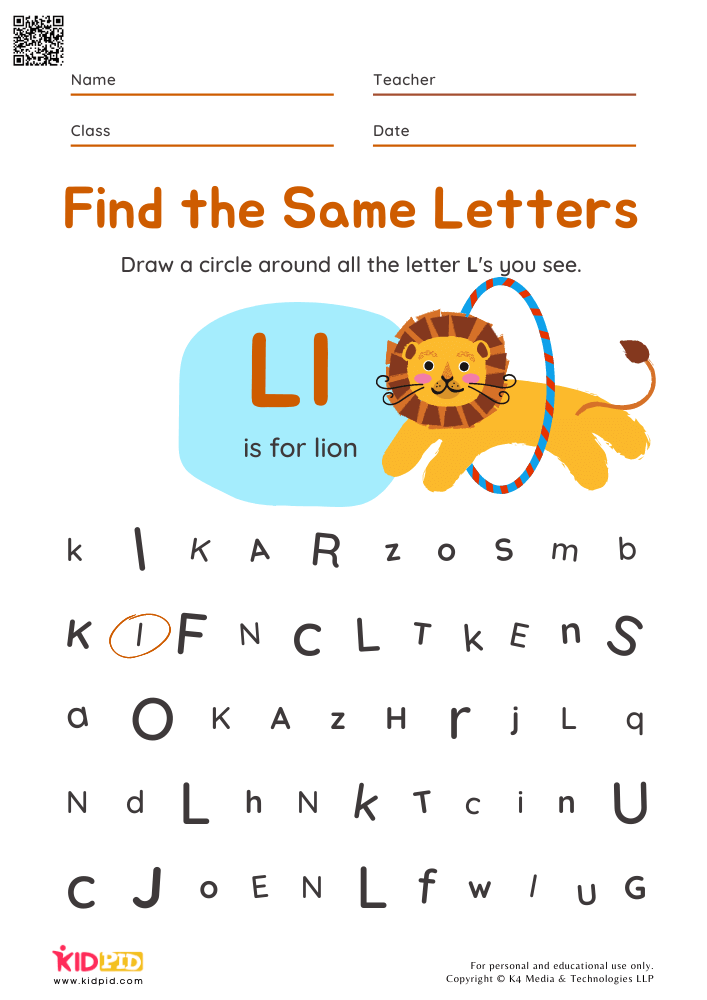
‘L’ is the letter that your kid needs to learn after ‘K,’ and the word that is used in helping them learn is ‘lion’. So, make sure you have explained everything to your kid before you hand him or her a letter recognition worksheet.
M is for Mango
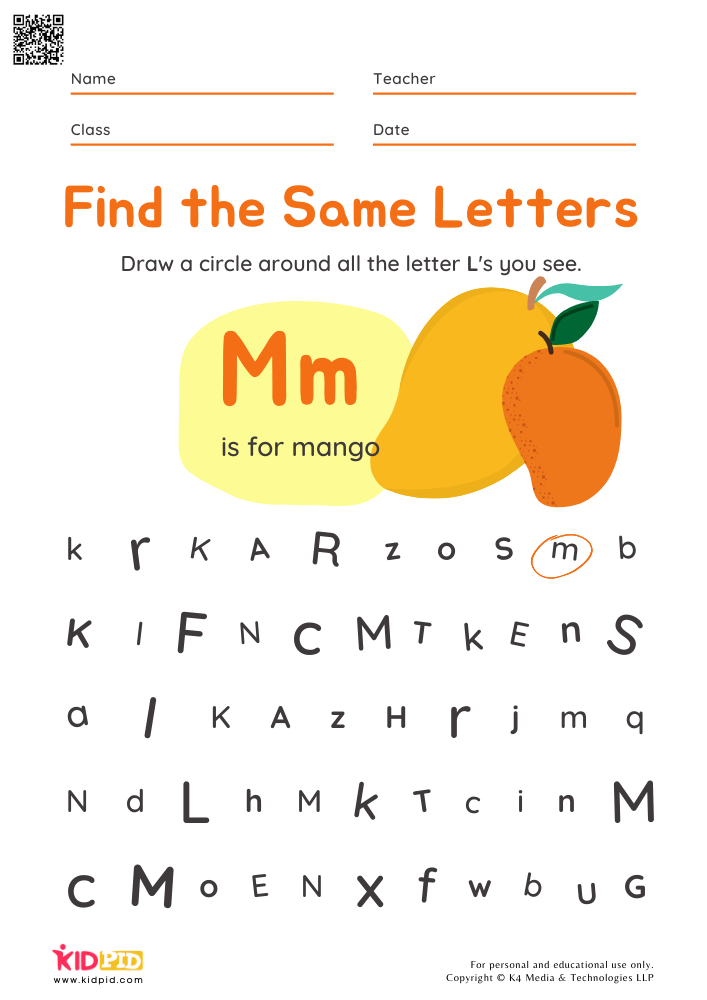
It’s time for your kid to learn ‘M,’ and one of the easiest words is given that is ‘mango’. So, now all you need is to hand him or her a letter recognition worksheet and ask them to encircle the starting letter of the word, which is ‘mango’. If your kid is facing some problems, make sure you assist them equally.
N is for Nest

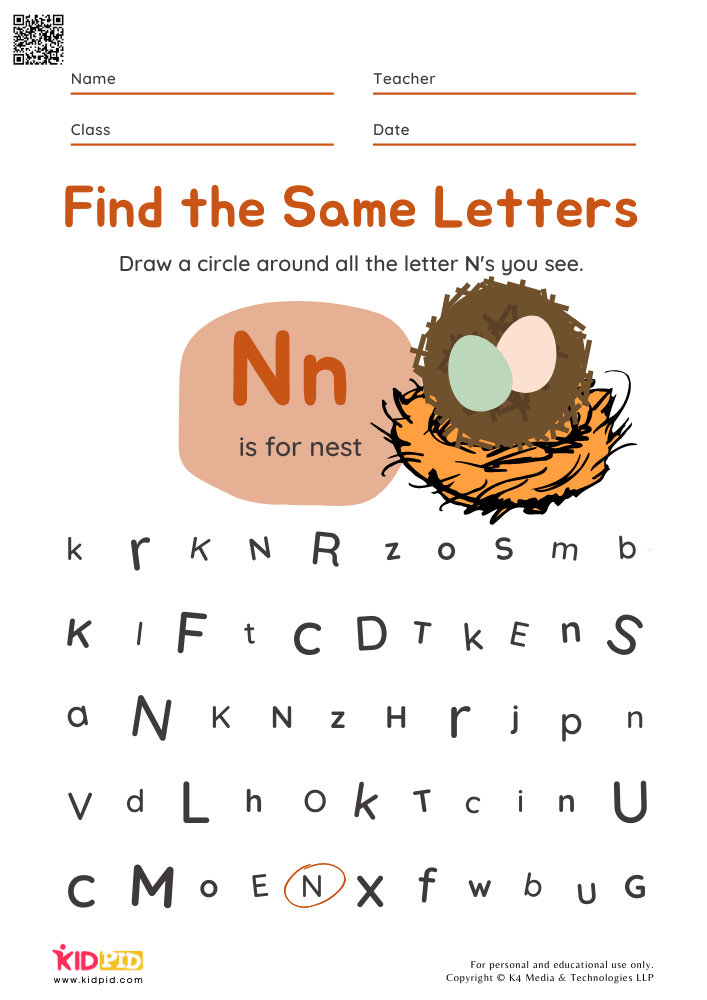
The next letter for the letter recognition worksheet is ‘N’. To help your kid understand the word in a better manner, the word that is provided is ‘nest’ along with the picture of the same. Through this letter recognition worksheet, your kid will get to explore the creative side, which will make the learning so much fun.
O is for Octopus
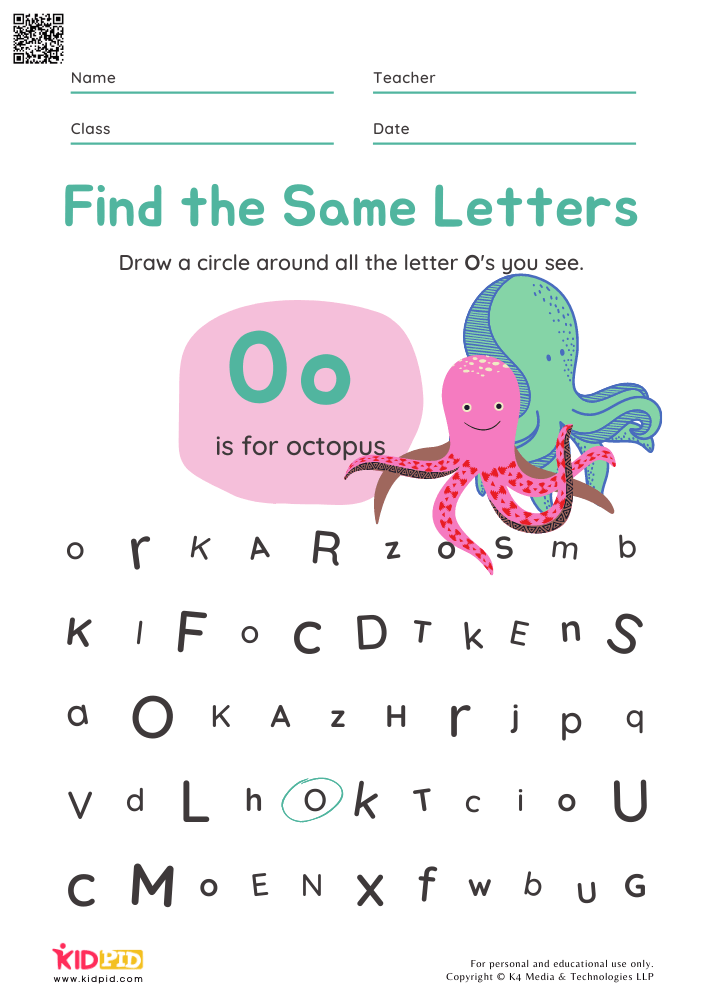
The next letter is ‘O ’ from the letter recognition category, with the word ‘octopus’ originating from the very letter. With the help of this letter recognition worksheet, it will be much more fun than usual for your kid, and besides learning the letter, your kid will also get to learn about an octopus.
P is for Penguin
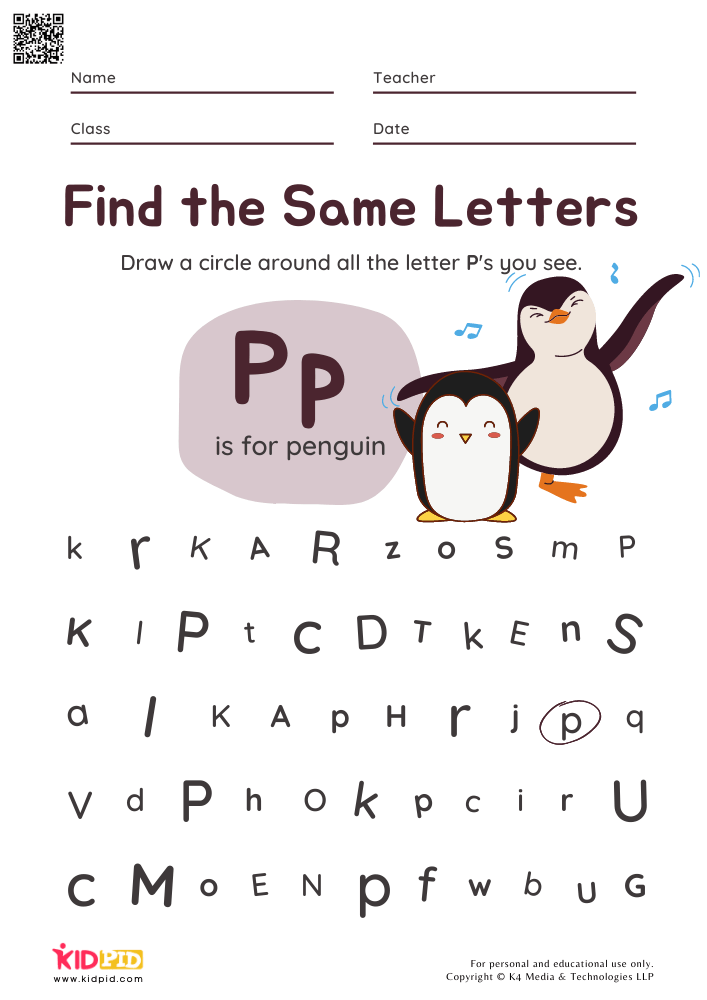
‘P’ is the letter that your kid will have to learn next, along with the word ‘penguin’ that originated from it. So, you can give your kid a small insight about penguins and where they live, and after that, you are all set to help your kid to encircle all the N’s in the letter recognition worksheet.
Q is for Queen
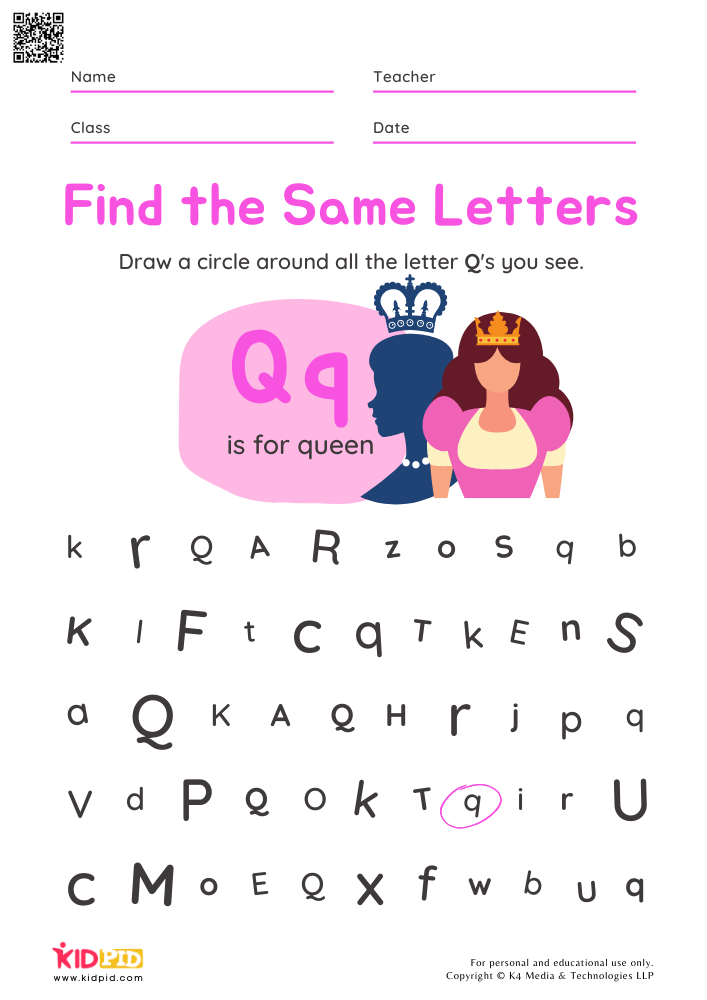
The next letter to get your kid familiar with is ’Q’. The word that is formed from this letter is ‘queen’. You can get your kid familiarized with this word with the help of this letter, as it is easy to understand and even pronounce. After this, guide your kid to encircle the letter ‘Q’ in the letter recognition worksheet.
R is for Rat
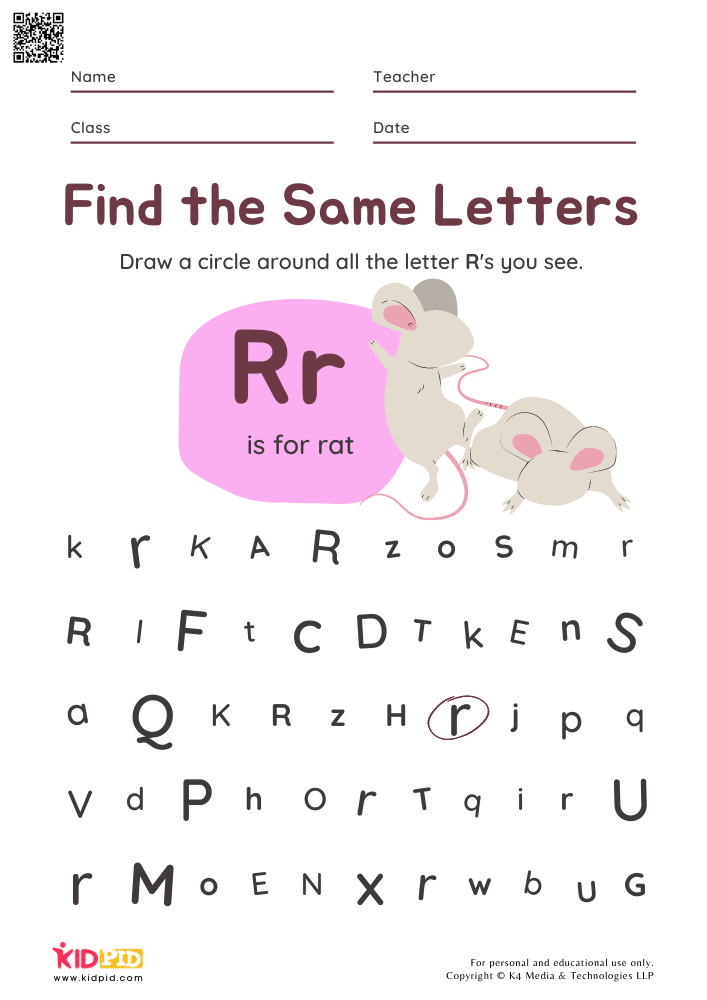
‘R’ is the letter that your kid will have to learn, which originates from the word ‘rat’. You can give your child insight into these little creatures and their mischievous behavior, and then you can guide your kid to encircle all the N’s in the letter recognition worksheet.
S is for Strawberry
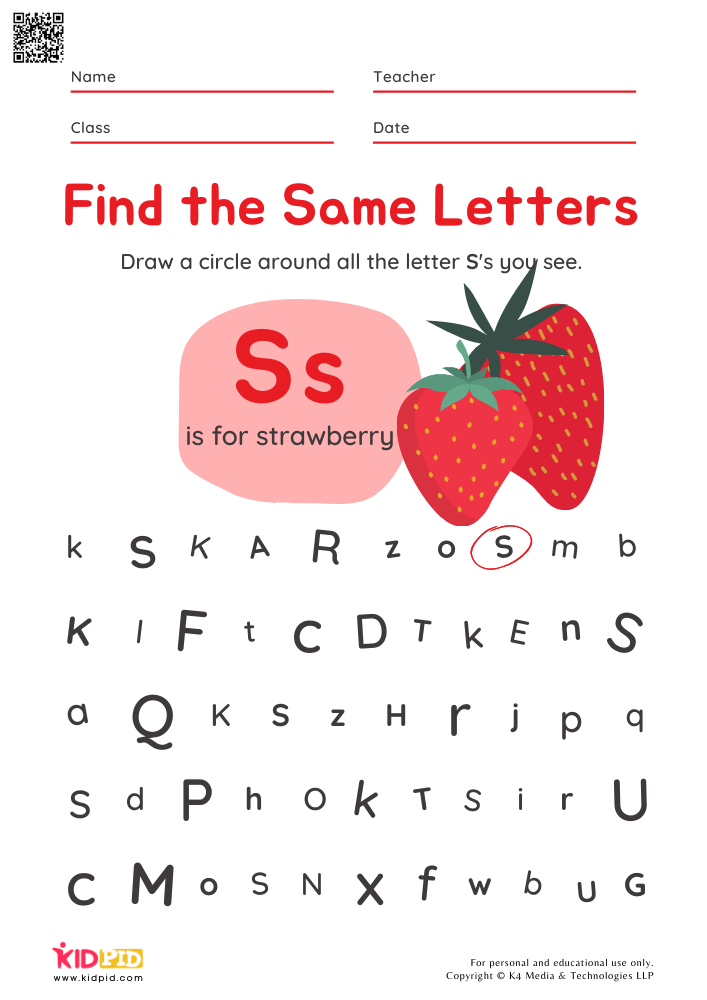
The next letter is ‘P’ that your kid will have to learn next. With the help of the image of the strawberry, which is provided in the letter recognition worksheet, you can further tell them about other berries, and then you can guide them to encircle all the N’s in the letter recognition worksheet.
T is for Tree
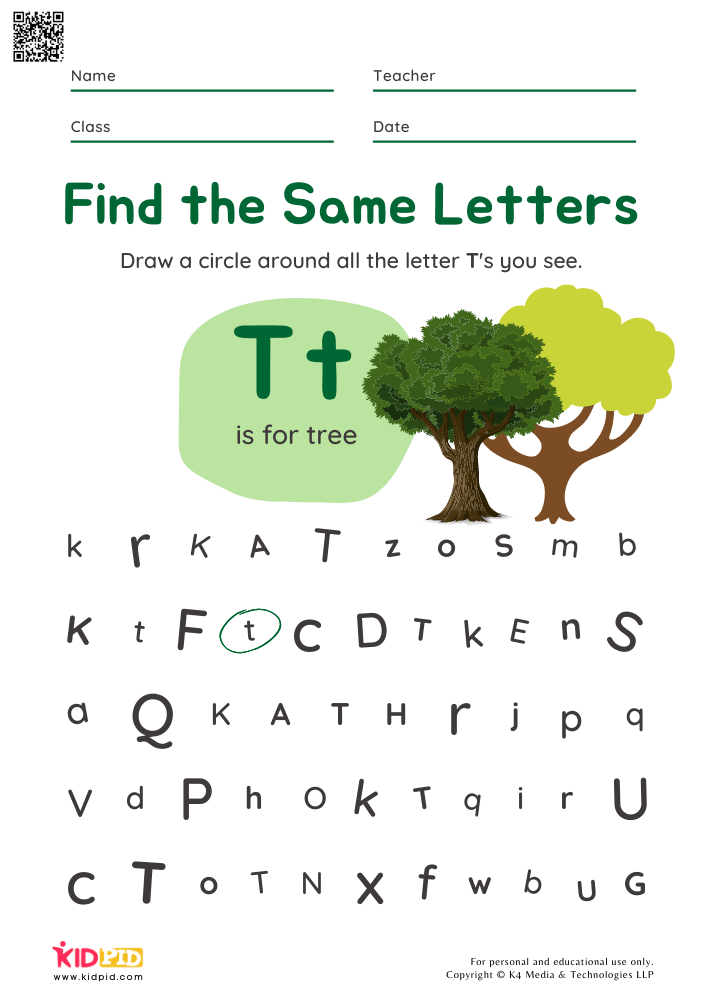
‘T’ is another letter that your kid needs to learn to complete the alphabet. The tree is the word and image that is provided with the letter, so that it will be much simpler for the kid to grasp the essence of the letter, and so that it will be remembered by the kid in the near future, too.
U is for Unicorn
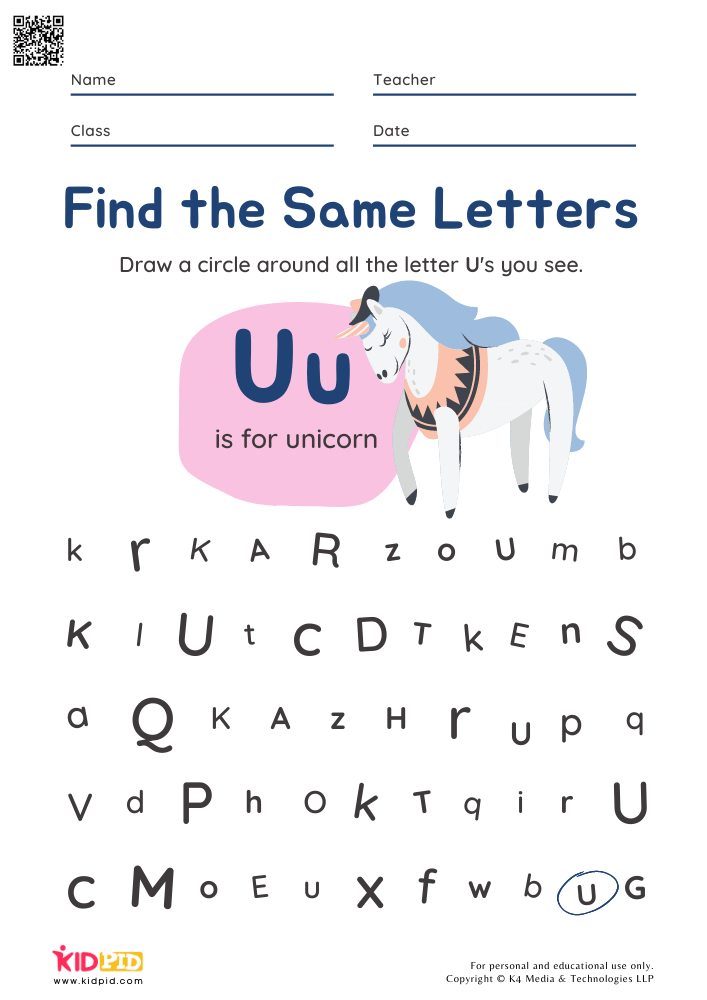
The next letter is ‘U,’ and for easy understanding, the word that is provided is unicorn, along with a beautiful picture of the unicorn itself. So, make sure that your kid has learnt that, and while your kid is learning, make sure that your kid is enjoying it as well.
V is for Vegetables
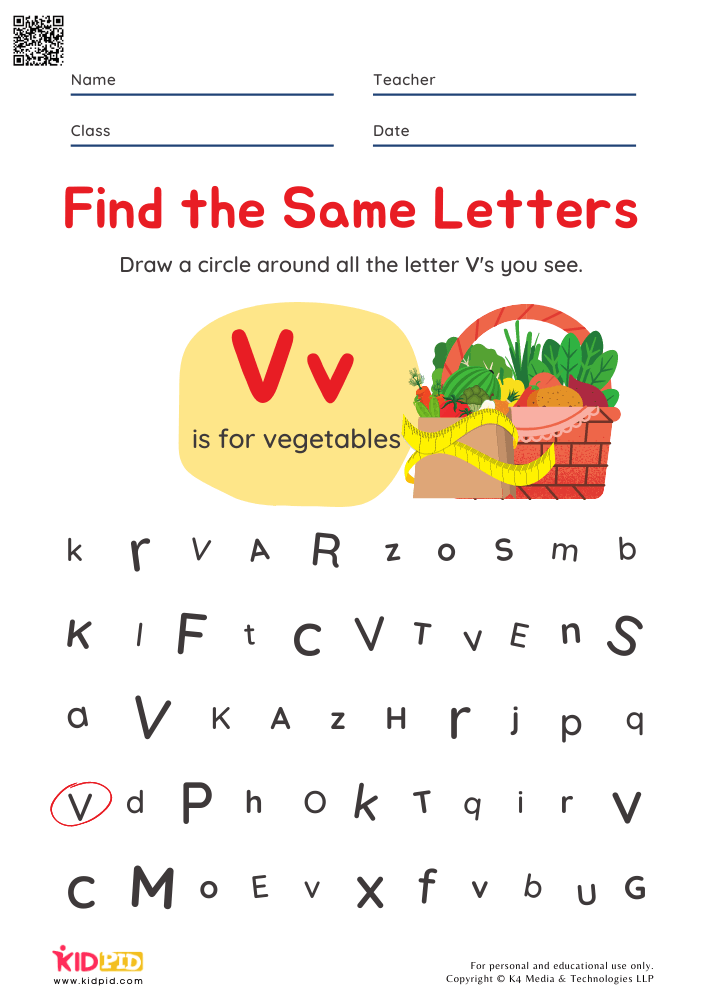
The follow-up letter in the letter recognition category is ‘V,’ and as you can see, along with the letter, the word ‘vegetables’ and a picture of vegetables are also given. This can help your kid familiarize themselves with the letter and the word and concept of vegetables from the very letter ‘V’.
W is for Watch
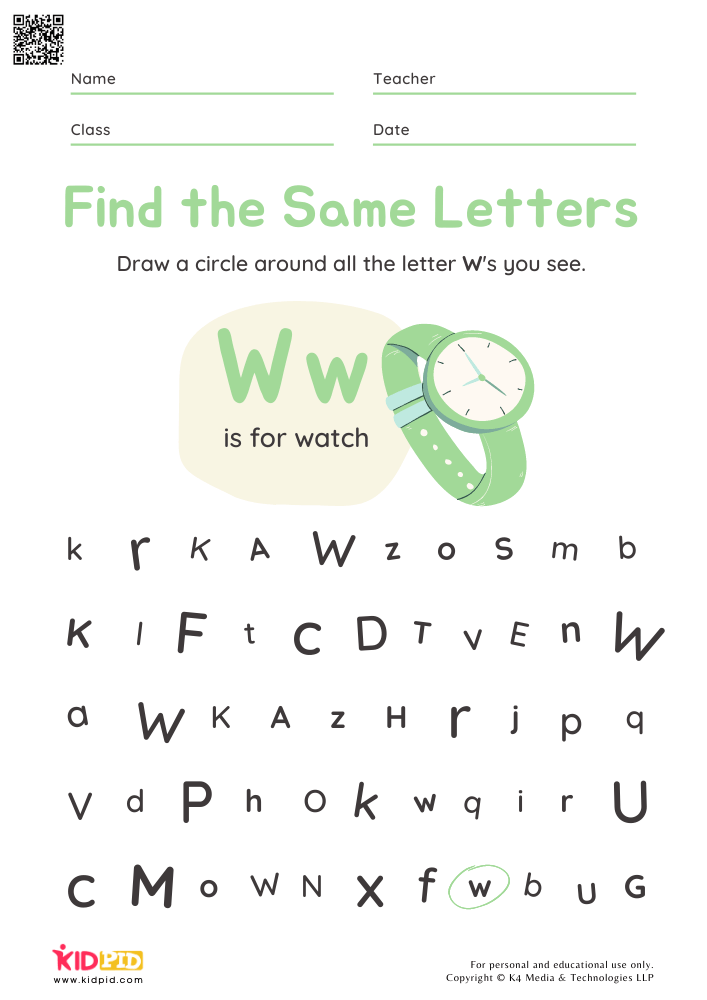
The next letter is ‘W,’ and watch is the word that originated from the letter. So, with the help of image illustration, you can easily help your kidlearn thee letter without having them face difficulty; but if they do, make sure you help them fully and play your part as the elder one.
X is for Xylophone
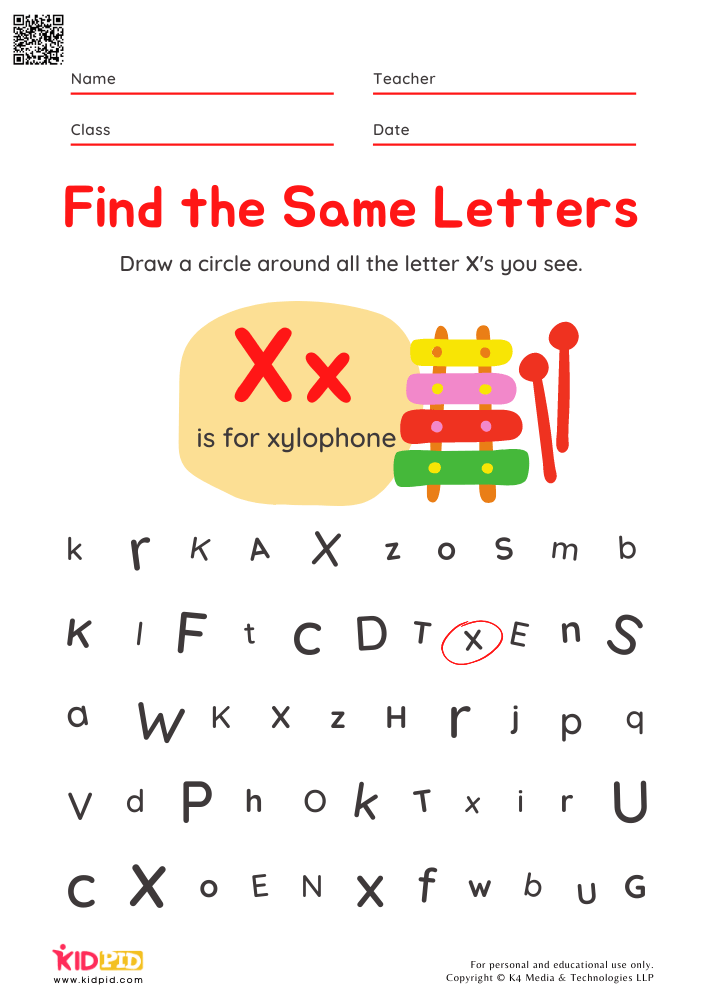
Now, your kid is ready to learn the letter ‘X’ from the alphabet, and it will be easy to learn since the word xylophone is given along with the image. So, make your kid understand the letter and then the xylophone so that he can learn two things at the same time with ease.
Y is for Yacht
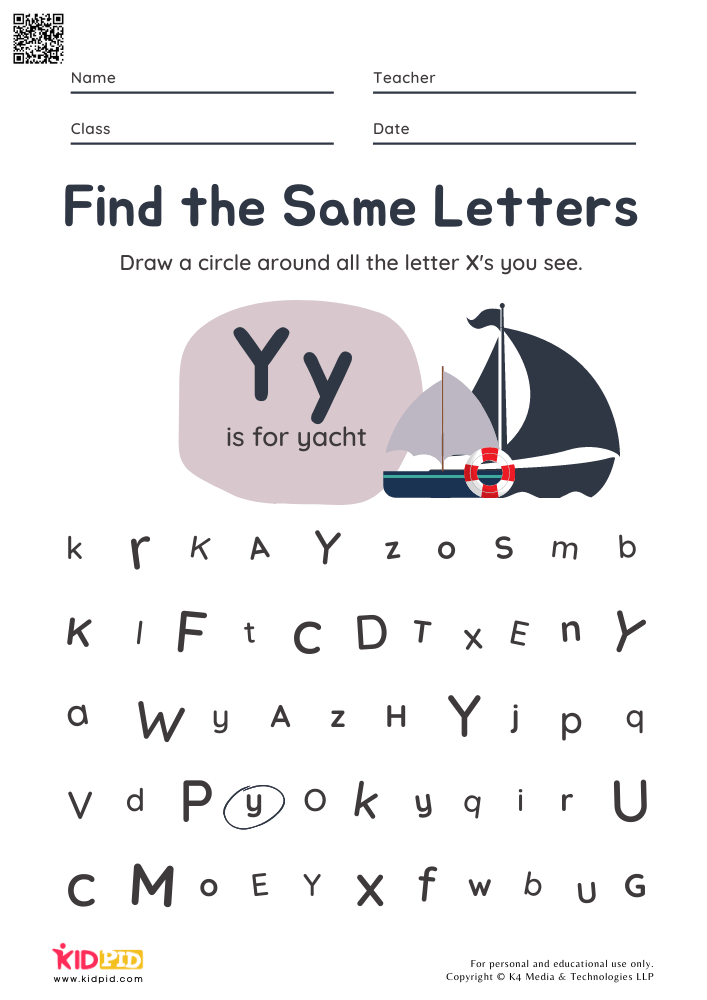
The last second letter that is left for our kid to learn is ‘Y,’ and the word and image that are given for better understanding is that of a yacht. So, while you hand the letter recognition sheet to your kid, help him or her in encircling the letters, but make sure you are not doing the major work.
Z is for Zebra
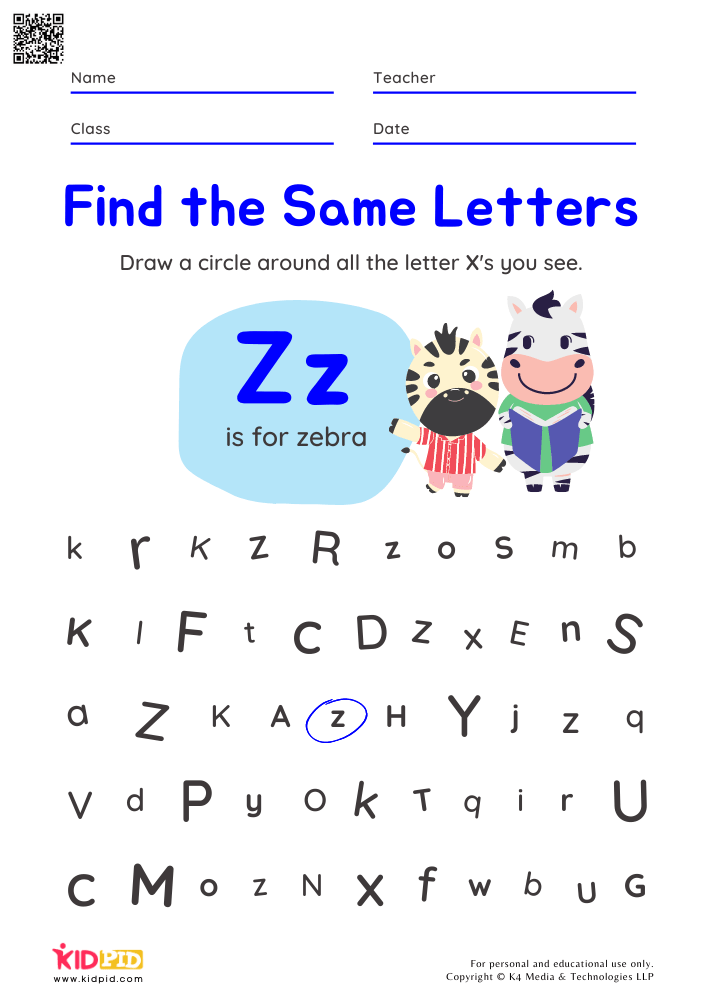
The very last letter that is left for your kid to learn is ‘Z’. An image and word of the zebra are given below so that it will be easy for your kid to understand. So, wind up your teaching by helping your kid encircle the ‘Zs ’ in the letter recognition worksheet.
Early literacy is built on structural milestones, and letter recognition is the very first step. These preschool worksheets bridge the gap between abstract shapes and the foundations of reading.
Alphabet mastery isn’t achieved through one-size-fits-all repetition. True literacy instruction utilizes mixed modalities to keep young minds engaged. The Kidpid curriculum includes a variety of letter-learning formats:
These worksheets leverage a cognitive learning sequence known as the Identify, Isolate, and Associate framework. Here is how a child processes a single page:
Mastering the alphabet yields compounding benefits for a child’s academic journey. Introducing structured worksheet activities early provides critical advantages:
Every educational resource needs a clear purpose. By utilizing this printable packet, early childhood educators and parents can aim to achieve the following benchmarks:
To maximize engagement and get the best results out of these printables, guide your child through these simple, structured steps:
Worksheets are an amazing launching pad, but real learning solidifies when it steps off the page. Use these sheets to inspire daily interactive games:
Q1: What is the ideal age to introduce letter recognition worksheets?
Answer: Most children are developmentally ready for simple letter tracking between the ages of 3 and 5. If your child shows interest in signs, books, or writing, it is a perfect time to start.
Q2: My child keeps confusing ‘b’ and ‘d ‘ or ‘p’ and ‘q’. Is this normal?
Answer: Absolutely. Letter reversal is incredibly common and entirely normal up until around age 7. Their brains are still learning to map spatial orientation. Consistency and gentle visual discrimination exercises will resolve this over time.
Q3: Should I teach letter names or letter sounds first?
Answer: A blended approach works beautifully. When working on a worksheet, name the letter (“This is the letter T”) but immediately pair it with its phonetic sound (“It makes a ‘t-t-t’ sound like a tree”). This builds balanced literacy.
Q4: How many letters should my preschooler practice a day?
Answer: Keep sessions short and rewarding. Focus on just one letter per day for 5 to 10 minutes. Early childhood learning is about consistency and joy, not overwhelming repetition.
Key Facts About Letter Recognition Worksheets
Parts, Types, and Examples of Letter Recognition Activities
How Do Letter Recognition Worksheets Work?
Benefits of Learning About Letter Recognition
Learning Objectives
Worksheet Instructions
Interesting Facts About Alphabet Learning
Real-Life Applications
FAQs
Along with letter recognition practice, children will learn the correct use of uppercase letters for sentence beginnings and proper nouns. By the end, they’ll be more confident in identifying different letters. Find more worksheets, essays, paragraphs, flashcards, quizzes, and interactive resources. Follow us on YouTube & Facebook.
This worksheet was developed by the Content Team to reinforce academic improvement.
Reviewed By Sushmita
Read More:



