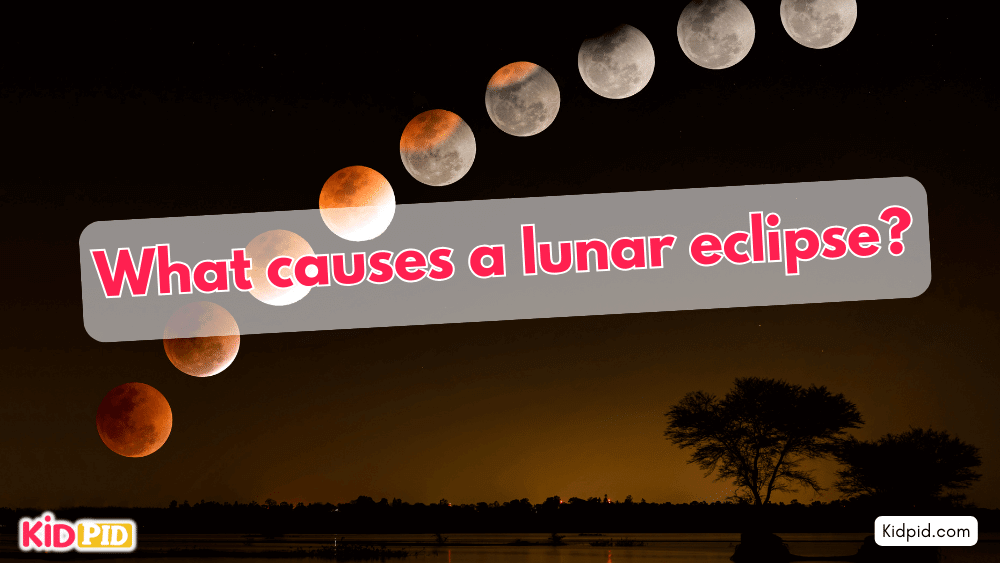
A lunar eclipse occurs when the Earth comes between the Sun and the Moon, casting a shadow on the Moon.
Contents
MCQs
1. Why does the Moon turn red during some lunar eclipses?
A) Because it’s moving away from the Earth.
B) Because of the reflection of the Sun’s rays on Mars.
C) Because Earth’s atmosphere scatters blue light and only red light reaches the Moon.
D) Because the Moon is on fire.
Answer: C) Because Earth’s atmosphere scatters blue light and only red light reaches the Moon.
Explanation: The red color of the Moon during a lunar eclipse is due to the Earth’s atmosphere scattering shorter wavelengths of light (blue) and allowing longer wavelengths (red) to pass through, illuminating the Moon with a reddish light.
2. What is the term for when the entire Moon passes through the Earth’s shadow?
A) Partial eclipse
B) Penumbral eclipse
C) Total eclipse
D) Cusp eclipse
Answer: C) Total eclipse
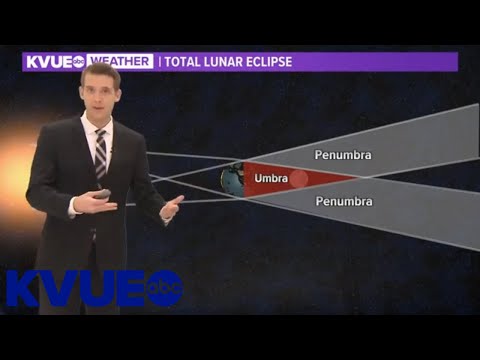
Explanation: A total lunar eclipse occurs when the entire Moon passes through the darkest part of the Earth’s shadow, the umbra, making the eclipse visible from start to finish.
3. What is the penumbra?
A) The darkest part of the Earth’s shadow
B) The outer part of the Earth’s shadow
C) The red shadow on the Moon
D) The path the Moon takes during an eclipse
Answer: B) The outer part of the Earth’s shadow
Explanation: The penumbra is the outer part of the Earth’s shadow where the sunlight is partially blocked, leading to a penumbral lunar eclipse when the moon passes through it, making the eclipse less noticeable.
Read More