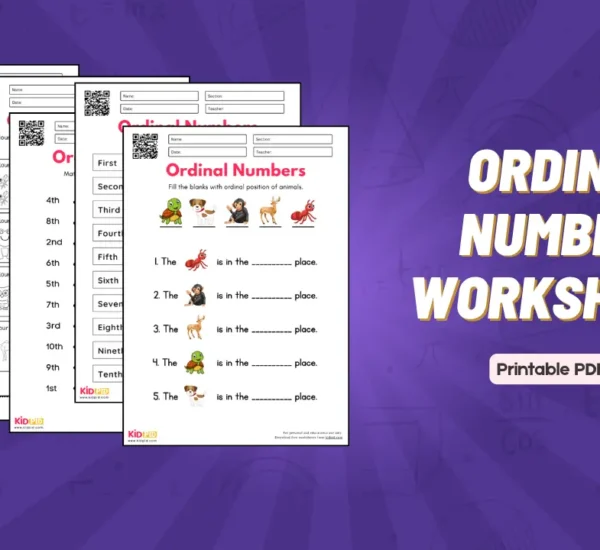

Hello students! Today, you will learn about the spelling of the letter fruit. Sounds interesting! These worksheets are designed for first-grade students to practice the spelling of fruits. They have to identify the fruit name, circle the letters of the name, and then write the words in the blank column accurately. This will not only enhance their vocabulary but also encourage the child to eat fruits and live healthily.
[Scroll Down for Download Link]
Contents
Fruits Spelling Vocabulary Practice Worksheet For Grade 1
Read More: Vitamins in Fruits & Vegetables Book

- PEAR
- DATE
- KIWI
- ACAI
This worksheet includes four-letter fruit which the students have to practice spelling. They will recognize the name, circle the letters included in the name, and then write the correct name of the fruit in the blank column. It also includes an answer key to take hints.

- UGLI
- LIME
- PLUM
- YUZU
In this worksheet, students will learn the spelling of a four-letter fruit by identifying the name of the fruit, circling the letters of the name, and then writing the name on their own. It includes an answer key for the students to take hints and complete the worksheet effectively.
The worksheet focuses on the four common-letter fruits to facilitate spelling mastery:
This resource utilizes a multi-sensory learning approach:
Answer: Yes, advanced kindergartners ready for blending sounds will find these exercises appropriately challenging.
Answer: They provide the perfect bridge between simple 3-letter (CVC) words and more complex multi-syllable words.
Answer: We recommend 1–2 sessions per week to reinforce memory without overwhelming the child.
Answer: Yes, it is designed to facilitate independent learning.
Key Facts About 4-Letter Fruits Spelling Practice Worksheets
Examples of 4-Letter Fruits
How This Worksheet Works
Benefits of Learning 4-Letter Fruits
Learning Objectives
Worksheet Instructions
FAQs
Q1. Is this worksheet suitable for kindergartners?
Q2. Why focus on 4-letter words?
Q3. How often should my child practice these worksheets?
Q4. Does this include an answer key?
 Strengthen early literacy skills with this engaging Grade 1 worksheet featuring four-letter fruit names. Children improve spelling, expand vocabulary, enhance phonics, and develop word recognition through enjoyable and meaningful practice activities. Our website offers quizzes, worksheets, essays, flashcards, paragraphs, and interactive educational resources to support children’s learning. Join us on YouTube & Facebook for more.
This worksheet was developed by the Content Team to boost practice efficiency.
Reviewed By Muskan Bhardwaj
Read More: