
Reasoning is an important part of the world around us. To make sense of things that are seemingly nonsensical is a common practice to judge the analytical and logical reasoning skills of a person. Children are introduced to the concept of reasoning at a very young age through the usage of jumbled words. It allows them to find meaning in seemingly meaningless words. It is a fun exercise that tests a child’s ability to identify words.
This worksheet consists of several exercises that would test a child’s ability to unscramble some common words.
Contents
- Unscramble The Letters Worksheets
- Key Facts About Unscramble the Letters Worksheets for Kids
- Parts/Types/Examples of Unscramble the Letters Worksheets for Kids
- How Does Unscramble the Letters Worksheets for Kids Work?
- Benefits of Learning About Unscramble the Letters Worksheets for Kids
- Learning Objectives
- Worksheet Instructions
- Interesting Facts About Unscramble the Letters Vocabulary Words
- Real-Life Applications
- FAQs
- Q1. What are Unscramble the Letters Worksheets?
- Q2. What age group can use these worksheets?
- Q3. How do these worksheets help children learn?
- Q4. Can children complete these worksheets independently?
- Q5. Are unscramble worksheets useful for vocabulary building?
- Q6. How often should children practice word unscrambling activities?
- Q7. Can these worksheets be used at home and in classrooms?
- Q8. Why are word puzzles important for early learners?
- You may like these:
Unscramble The Letters Worksheets

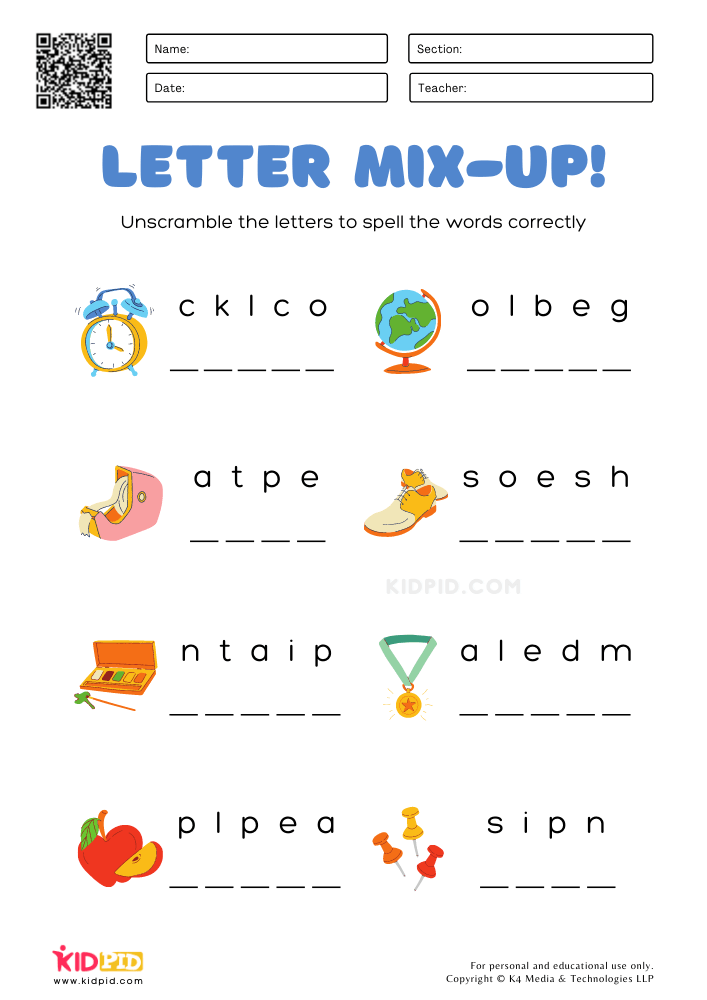
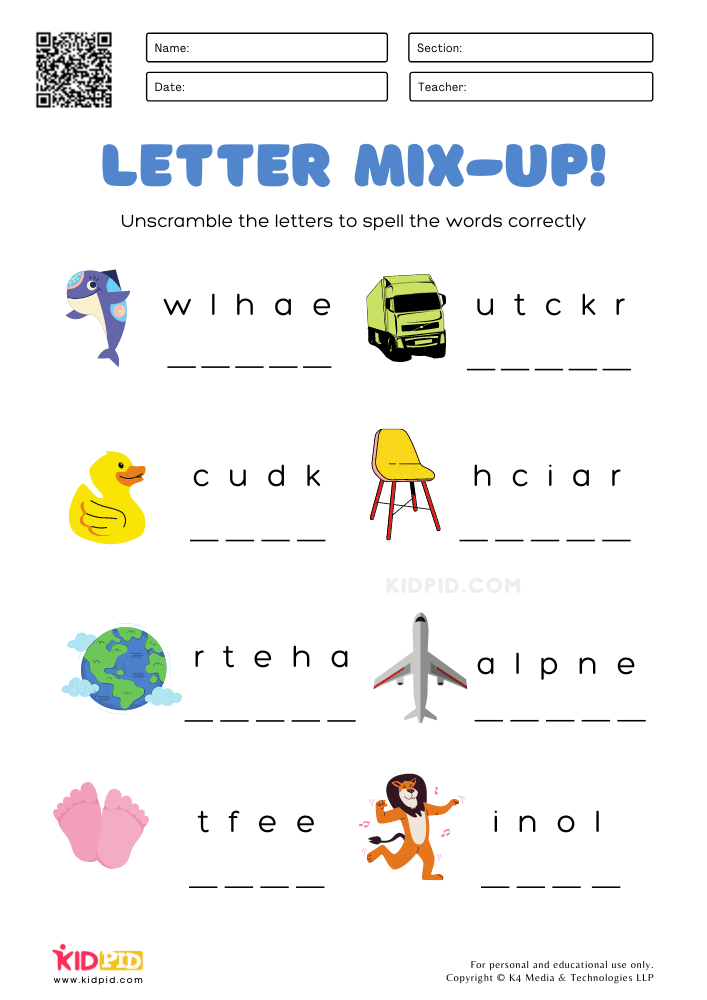
The credit for creating the word scramble exercises goes to Martin Naydel, who developed it as a game in the year 1954. It is a fun activity that requires attention. The worksheet has ten sheets in total, all of which consist of eight scrambled words. To make it less challenging for kids, the image of the words that are scrambled is presented next to it as a hint.
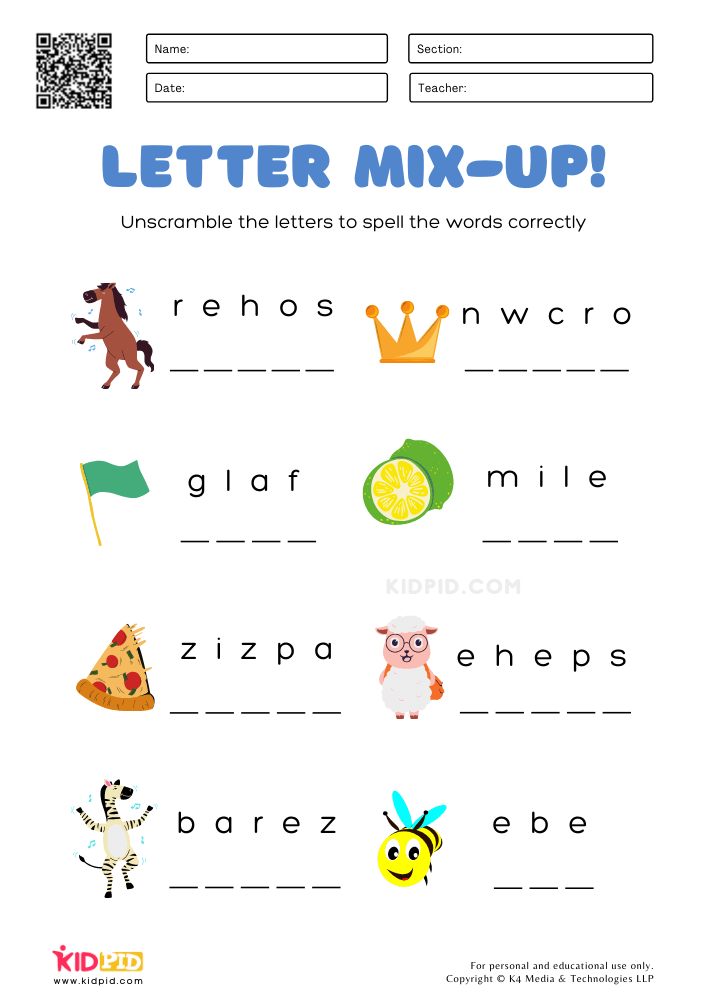
It is not enough for one to identify the image. Unless he knows how to spell the word, no one can unscramble it. It is a great way to test and correct common mistakes that children make while spelling a word.
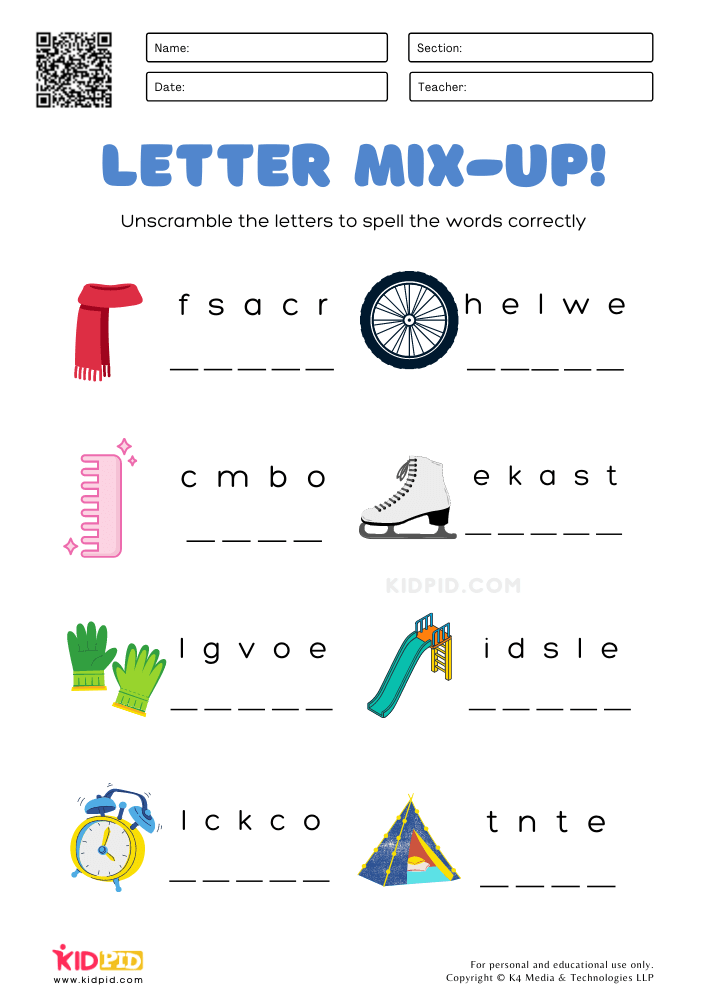
This is the fourth sheet that asks kids to unscramble common words such as a scarf, wheel, comb, skate, glove, slide, clock, and tent. If you want to make it more challenging for your kid, you can always print the sheets and color over the hints.
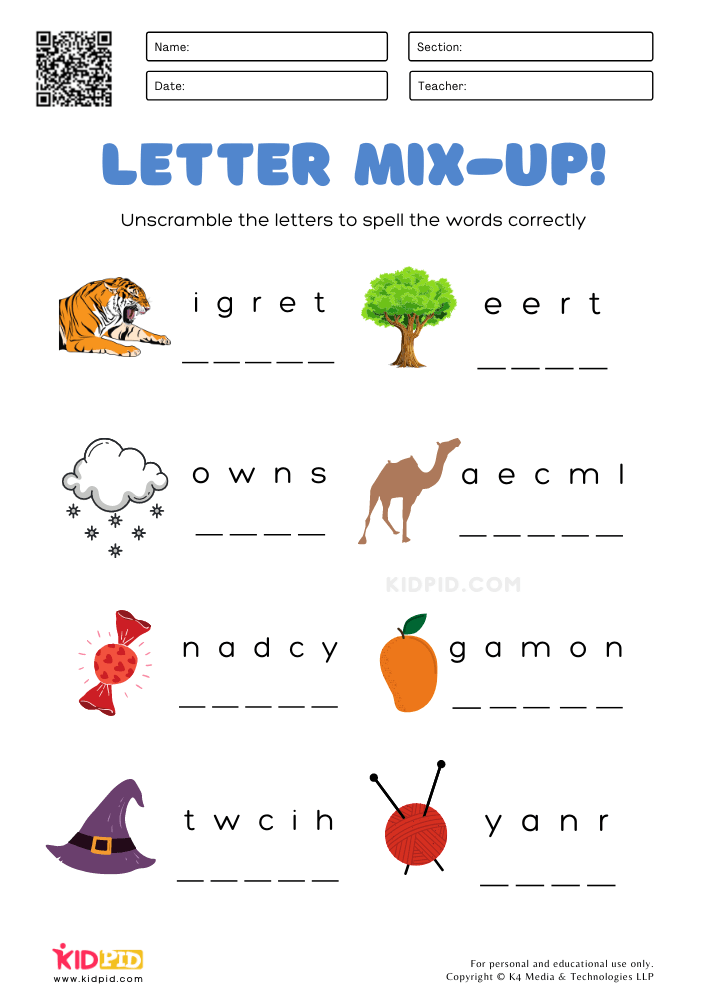
You can always make it an interesting activity by distributing these sheets among a group of children and asking them to do it first. The first one to do it receives a reward. Research shows that an incentive to do a job increases productivity in a significant manner. This would also make it fun for the kids, as kids, by nature, are competitive.
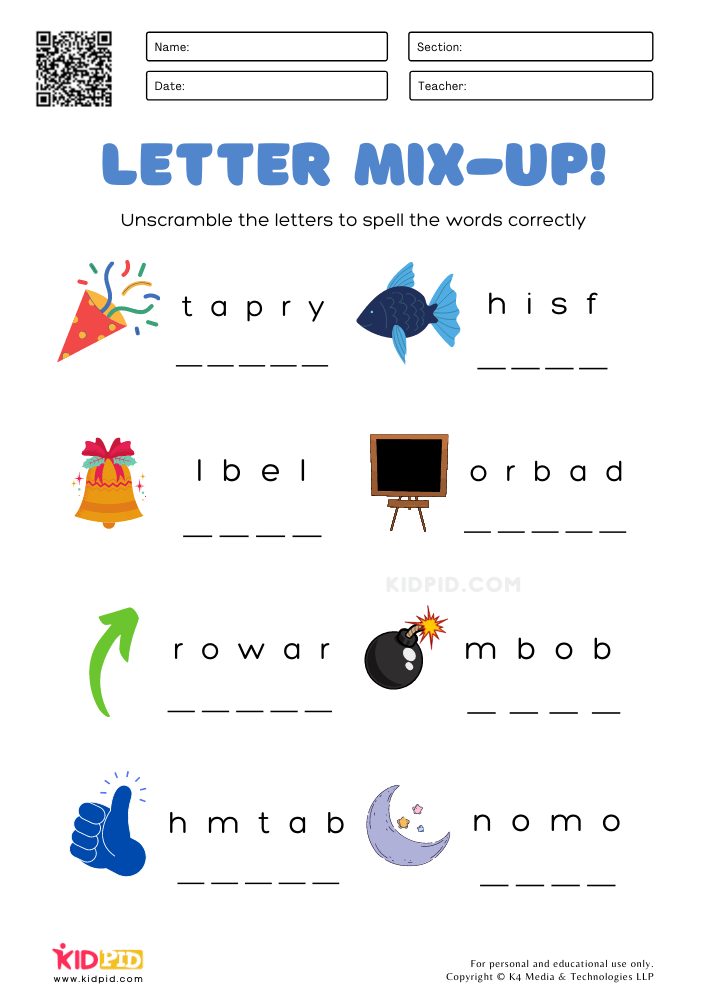
The sixth worksheet asks kids to unjumble words like party, fish, bell, board, arrow, bomb, and moon.
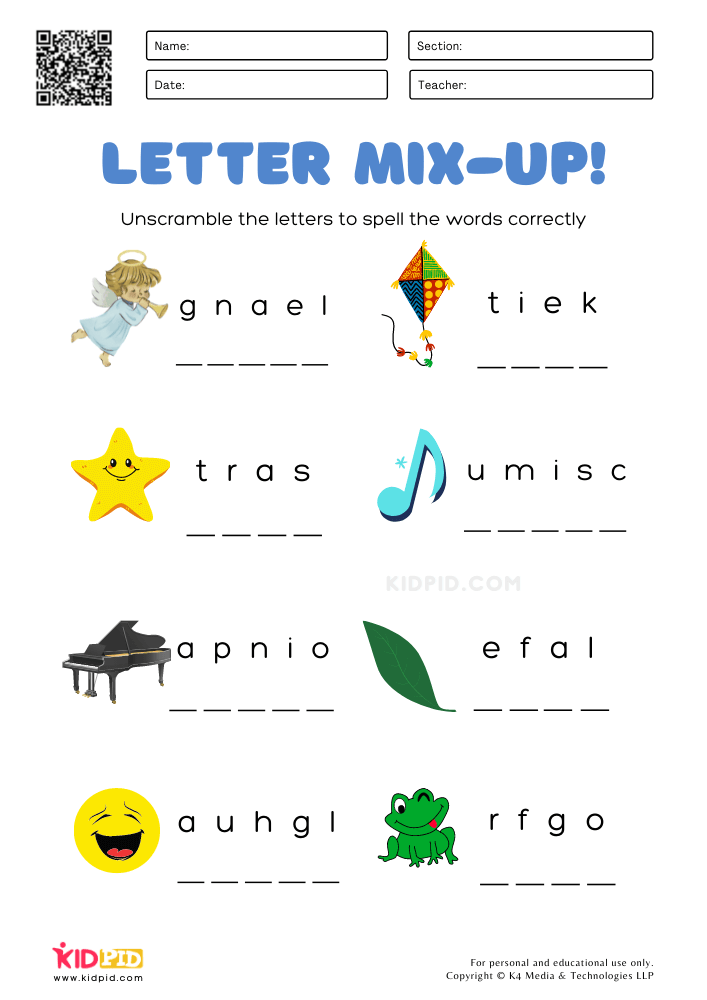
The seventh worksheet would add more words, such as angle, kite, star, music, piano, leaf, frog, and laugh to your kid’s vocabulary.
This is the eighth worksheet. It requires children to identify and unjumble words such as sugar, bird, ship, smile, money, drop, river, and nose.
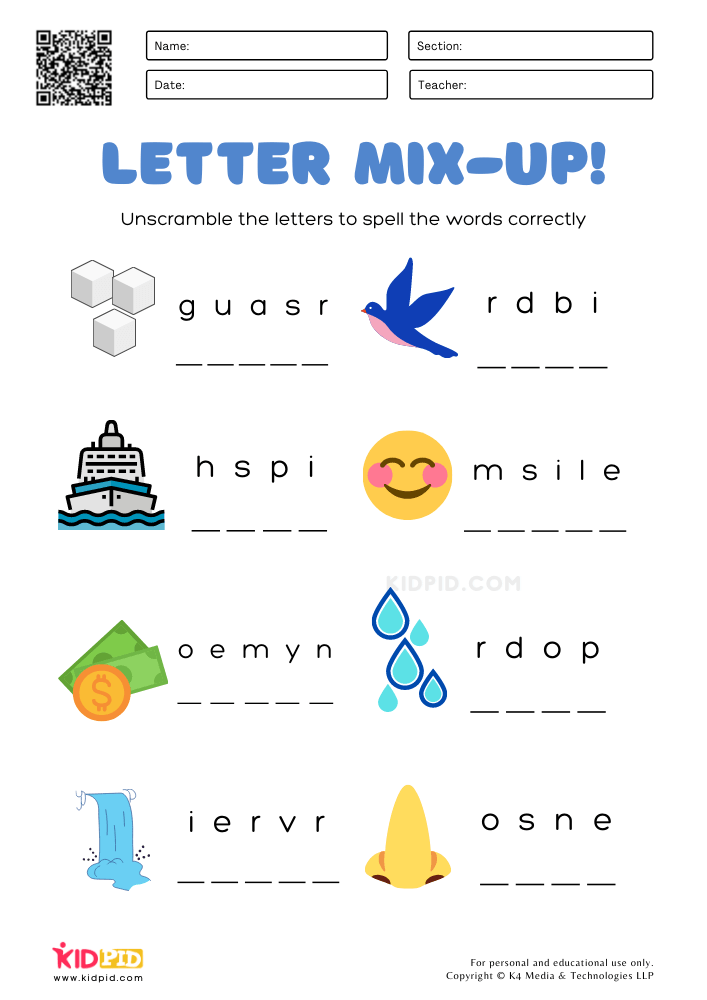
This is the eighth worksheet. It requires children to identify and unjumble words such as sugar, bird, ship, smile, money, drop, river, and nose.
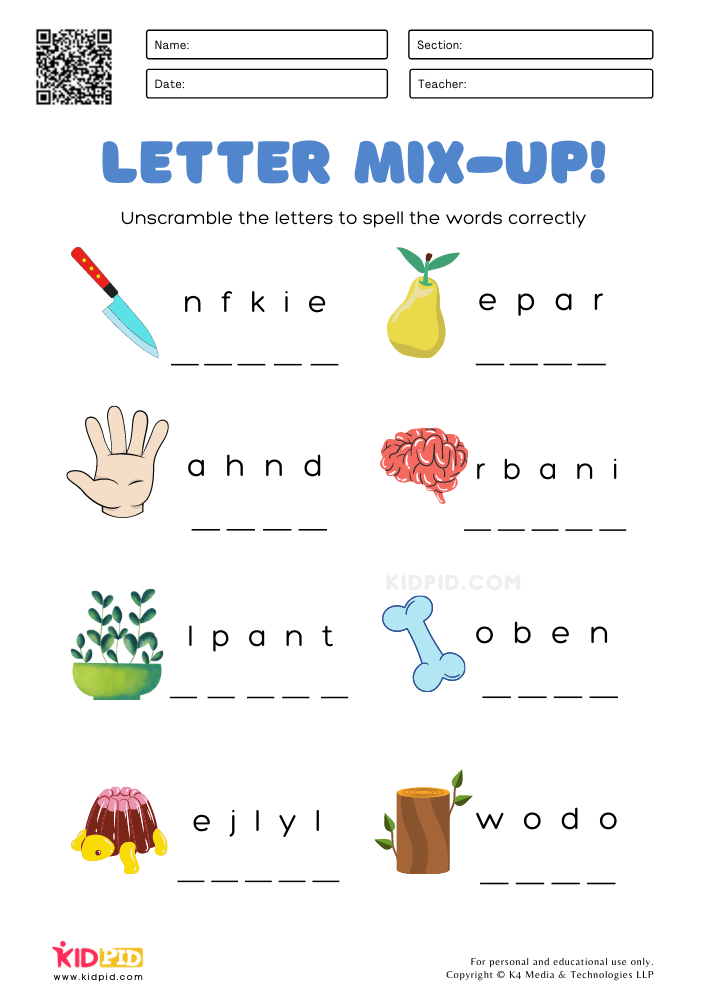
Here, the child is to unjumble words such as knife, pear, hand, brain, plant, bone, jelly, and wood.
Key Facts About Unscramble the Letters Worksheets for Kids
Unscramble the Letters Worksheets for Kids are educational activities designed to help children identify and arrange mixed-up letters to form meaningful words. These worksheets strengthen vocabulary, spelling, phonics, and problem-solving skills while making learning enjoyable. Suitable for preschoolers, kindergarteners, and elementary students, they provide age-appropriate challenges that encourage independent learning. The worksheets often include pictures, clues, and themed word sets to support comprehension and engagement. Regular practice helps children recognize word patterns, improve reading fluency, and build confidence in language arts.
Parts/Types/Examples of Unscramble the Letters Worksheets for Kids
Different types of unscramble worksheets offer varied learning experiences:
- Picture-Based Unscramble Worksheets: Children use images as clues to identify the correct word.
- Theme-Based Worksheets: Focus on topics such as animals, fruits, colors, transportation, or seasons.
- Simple Word Unscrambling: Designed for beginners with short three- or four-letter words.
- Advanced Vocabulary Unscrambling: Includes longer words for older learners.
- Sentence Unscrambling Activities: Students rearrange letters to complete sentences.
Examples:
- TAC → CAT
- RABE → BEAR
- PLEAP → APPLE
- HOCLOS → SCHOOL
- WLFROE → FLOWER
How Does Unscramble the Letters Worksheets for Kids Work?
These worksheets present children with letters arranged in the wrong order. Students examine the letters, identify possible combinations, and rearrange them to create a correctly spelled word. Many worksheets provide visual hints or category clues to guide learners. By solving each puzzle, children practice letter recognition, phonics understanding, spelling patterns, and vocabulary development. The activity promotes active thinking and reinforces previously learned words through repetition and discovery.
Benefits of Learning About Unscramble the Letters Worksheets for Kids
- Improves spelling accuracy and word recognition.
- Expands vocabulary through exposure to new words.
- Strengthens phonics and letter-sound relationships.
- Develops critical thinking and problem-solving abilities.
- Enhances concentration and attention to detail.
- Builds reading confidence and language comprehension.
- Encourages independent learning and self-correction.
- Makes literacy practice interactive and enjoyable.
Learning Objectives
By completing the unscramble the letters worksheets, children will:
- Recognize and identify letter sequences.
- Form correctly spelled words from scrambled letters.
- Improve vocabulary and language skills.
- Strengthen reading and phonics knowledge.
- Develop logical thinking and pattern recognition.
- Increase spelling proficiency and word recall.
- Practice independent problem-solving strategies.
- Gain confidence in written and spoken communication.
Worksheet Instructions
- Look carefully at the scrambled letters provided.
- Identify possible letter combinations.
- Rearrange the letters to form a meaningful word.
- Use any picture or category clues for assistance.
- Write the correct word in the answer space.
- Check your spelling before moving to the next question.
- Complete all words and review your answers.
Interesting Facts About Unscramble the Letters Vocabulary Words
- Word puzzles have been used in education for decades to improve literacy skills.
- Unscrambling activities help children recognize common spelling patterns.
- Vocabulary games activate multiple areas of the brain involved in language processing.
- Rearranging letters strengthens memory and cognitive flexibility.
- Many competitive spelling and vocabulary contests use similar word-solving techniques.
- Word puzzles make learning more engaging than traditional memorization methods.
- Frequent exposure to word games can improve reading fluency and comprehension.
Real-Life Applications
Unscramble the letters activities help children develop practical language skills they use every day, including:
- Reading books and classroom materials.
- Improving spelling in school assignments.
- Expanding everyday vocabulary.
- Understanding written instructions and signs.
- Solving word games and puzzles.
- Enhancing communication and writing skills.
- Preparing for spelling tests and language assessments.
- Building strong foundations for future academic success.
FAQs
Q1. What are Unscramble the Letters Worksheets?
Answer: They are educational worksheets that require children to rearrange mixed-up letters to form correctly spelled words.
Q2. What age group can use these worksheets?
Answer: They are suitable for preschool, kindergarten, and elementary school students, depending on word difficulty.
Q3. How do these worksheets help children learn?
Answer: They improve spelling, vocabulary, phonics awareness, reading skills, and problem-solving abilities.
Q4. Can children complete these worksheets independently?
Answer: Yes. Most worksheets are designed for independent practice, although younger children may benefit from guidance.
Q5. Are unscramble worksheets useful for vocabulary building?
Answer: Yes. They expose children to new words and reinforce familiar vocabulary through active engagement.
Q6. How often should children practice word unscrambling activities?
Answer: Regular practice, even a few times per week, can significantly improve language and literacy skills.
Q7. Can these worksheets be used at home and in classrooms?
Answer: Absolutely. They are excellent resources for homeschooling, classroom instruction, tutoring sessions, and extra practice at home.
Q8. Why are word puzzles important for early learners?
Answer: Word puzzles encourage critical thinking, strengthen language skills, and make learning more interactive and enjoyable.
Scrambled words make for an interesting exercise that tests one’s reasoning ability. It is engaging and makes for a fun game and learning activity. Download the worksheet to get started now!
We hope you enjoyed these Unscramble the Letters Worksheets for Kids! Explore more free worksheets on Kidpid. Practice daily to boost your learning. Follow us on Facebook, Pinterest, YouTube, and Telegram. Join our Telegram group for free printables. Thanks for visiting, and keep learning!
The Content Team developed this worksheet to encourage learning mastery.
Reviewed By Riten
You may like these:
Compound Word Worksheets

These worksheets help students learn and practice compound words through fun activities, improving vocabulary, spelling, and word-building skills across different grade levels.
Synonyms & Antonyms Worksheets

These worksheets help kids build vocabulary by learning synonyms and antonyms through fun activities, enhancing language skills from Kindergarten to Grade 5.
Jumbled Letters Phonemes Worksheets

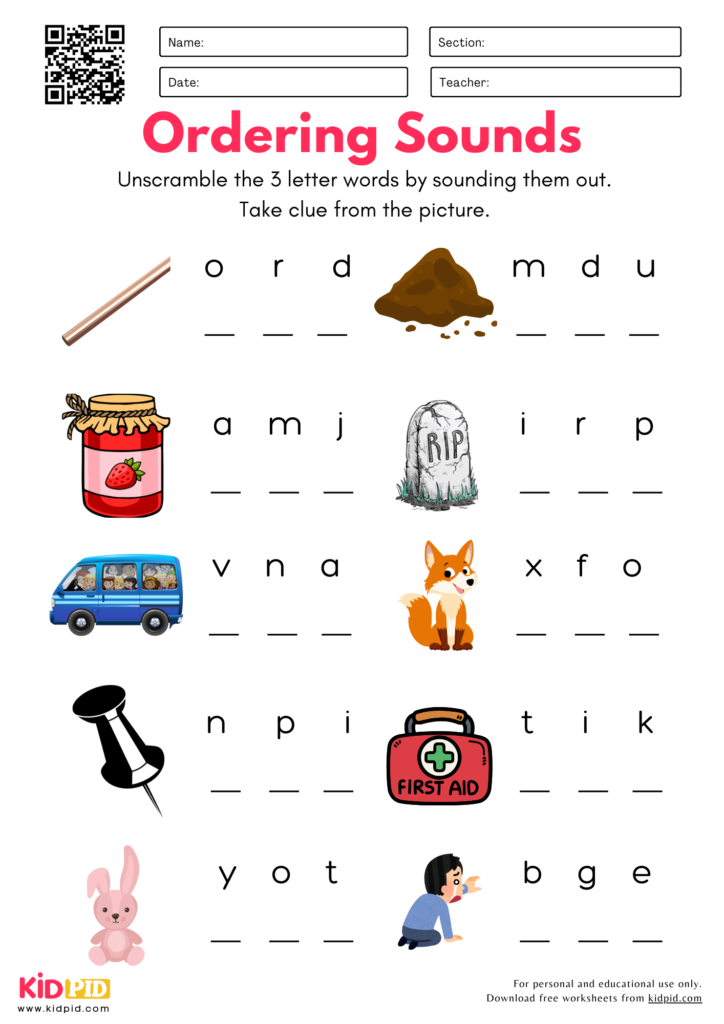
Jumbled Letters Phonemes Worksheets help kids practice sounds and spellings by arranging mixed-up letters into correct words. These fun activities improve reading, spelling, and phonics skills.
Jumbled Places Words Worksheet

This worksheet helps Grade 2 kids unscramble jumbled place names. It improves their spelling, thinking, and vocabulary skills in a fun and engaging way while learning about different places.
Fun Spelling Word Scramble Worksheets for Grade 2
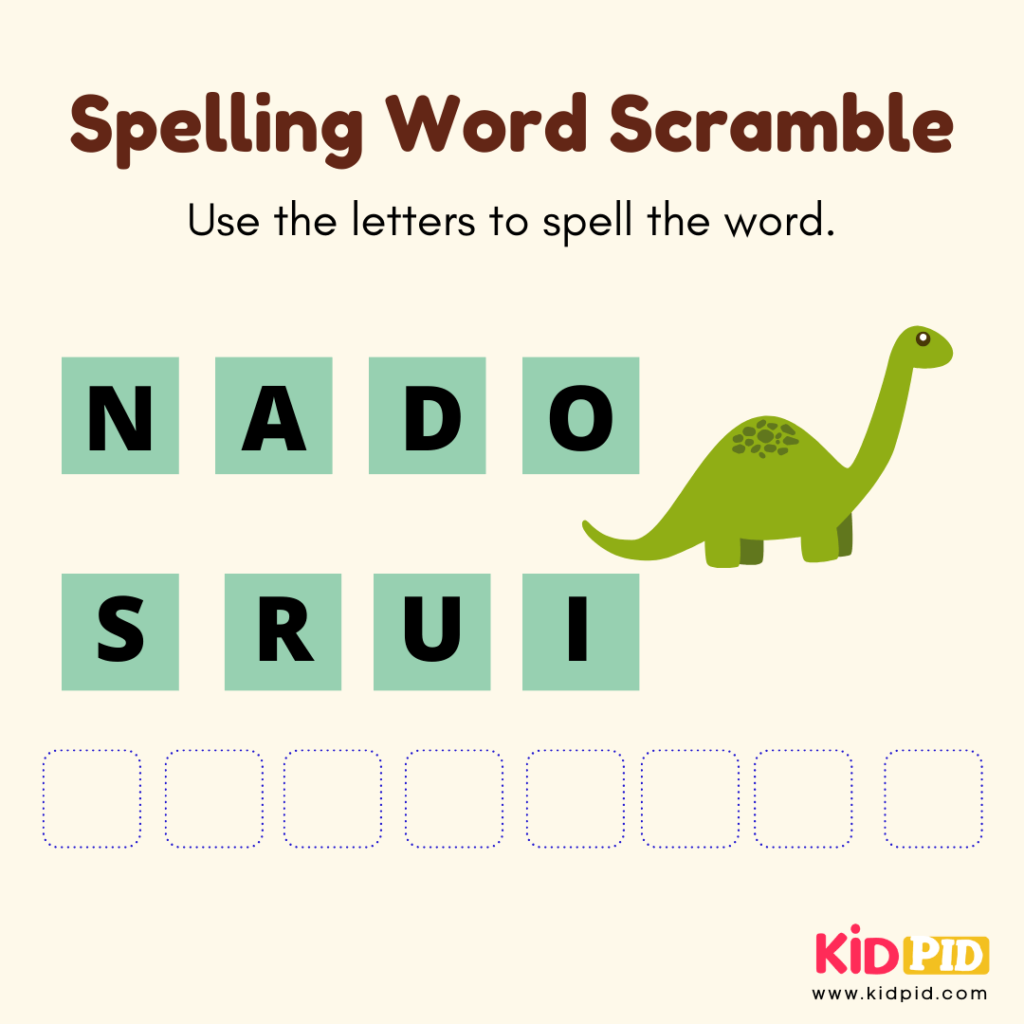
These word scramble worksheets make spelling practice exciting for Grade 2 students, improving vocabulary, problem-solving, and word recognition skills in a fun way.



Nice worksheets