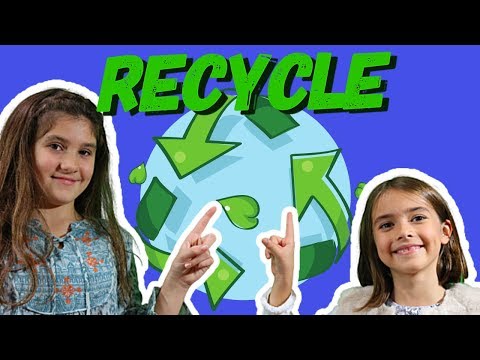
Reducing, reusing, and recycling is crucial for minimizing waste, conserving natural resources, reducing pollution, and combating climate change. This approach helps to manage limited resources more wisely, reduce environmental impact, and support sustainable practices for a healthier planet.
Contents
- MCQs
- Fill in The Blanks
- 1. ___________ helps protect the environment by conserving resources, reducing pollution, and decreasing waste.
- 2. By reducing our consumption of single-use items, we are helping to ___________ the amount of waste that ends up in landfills.
- 3. Reusing items like water bottles and shopping bags can help to ___________ resources and reduce the need for new products to be made.
- 4. Following the three R’s can help us to preserve the Earth for ___________ generations.
- True / False
MCQs
1. How can reusing items help the environment?
A) It increases energy consumption
B) It decreases the amount of waste going to landfills
C) It makes products more expensive
D) It uses more natural resources
Answer: B) It decreases the amount of waste going to landfills
Explanation: By reusing items, we prevent them from becoming waste too quickly, reducing the need for more landfills and conserving the environment.
2. What does recycling do to help the planet?
A) Increases air and water pollution
B) Consumes more energy
C) Reduces the need to extract new raw materials
D) Makes animals lose their habitats
Answer: C) Reduces the need to extract new raw materials
Explanation: Recycling old products into new ones lessens the demand for new raw materials, protecting natural habitats and saving energy.
3. Why is reducing plastic use especially important for the environment?
A) Plastic is easy to recycle
B) Plastic breaks down quickly in nature
C) Plastic can harm wildlife and ecosystems
D) Plastic enhances soil fertility
Answer: C) Plastic can harm wildlife and ecosystems
Explanation: Plastic takes a very long time to decompose, and it can injure or kill wildlife if they ingest it or become entangled in it.
4. What impact does recycling paper have on the environment?
A) Increases deforestation
B) Saves trees and conserves water
C) Uses more chemicals
D) Reduces air quality
Answer: B) Saves trees and conserves water
Explanation: Recycling paper reduces the need for new paper, saving trees from being cut down and using less water in the production process.
Fill in The Blanks
Choose from These Words: Recycling, Decrease, Conserve, Future.
1. ___________ helps protect the environment by conserving resources, reducing pollution, and decreasing waste.
Answer: Recycling
2. By reducing our consumption of single-use items, we are helping to ___________ the amount of waste that ends up in landfills.
Answer: Decrease
3. Reusing items like water bottles and shopping bags can help to ___________ resources and reduce the need for new products to be made.
Answer: Conserve
4. Following the three R’s can help us to preserve the Earth for ___________ generations.
Answer: Future
True / False
1. Recycling helps to conserve natural resources (True / False)
True: Recycling allows us to reuse materials like paper, plastic, and metal, reducing the need to extract new resources from the earth.
2. Reusing items helps to reduce waste in landfills (True / False)
True: By reusing items like water bottles or clothing, we can prevent them from ending up in landfills and reduce our overall waste output.
3. Reducing consumption means buying more things (True / False)
False: Reducing consumption means buying and using less, which can help to lessen our impact on the environment.
4. Recycling helps to reduce pollution (True / False)
True: Recycling can help to reduce air and water pollution caused by the extraction, production, and disposal of new materials.
Read More: