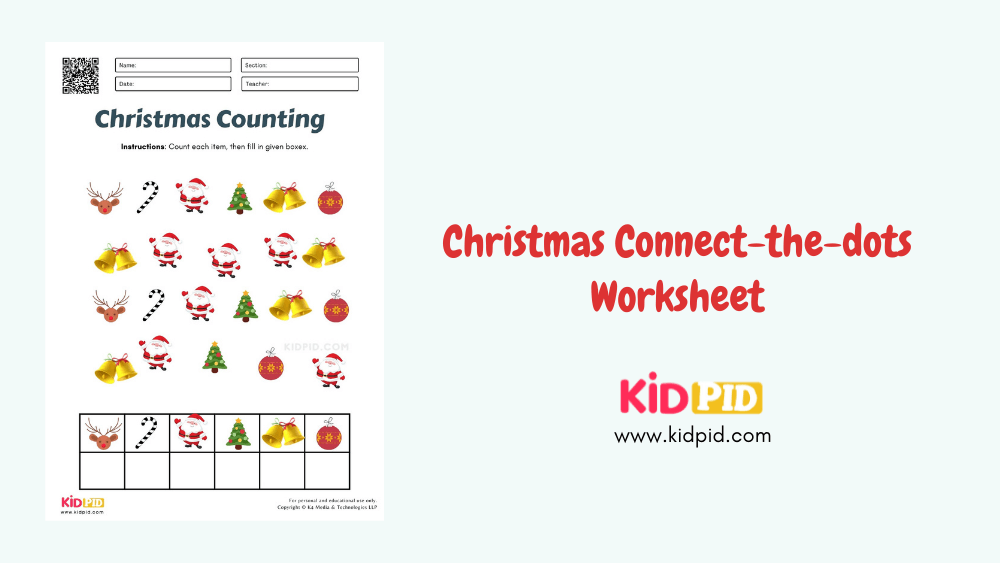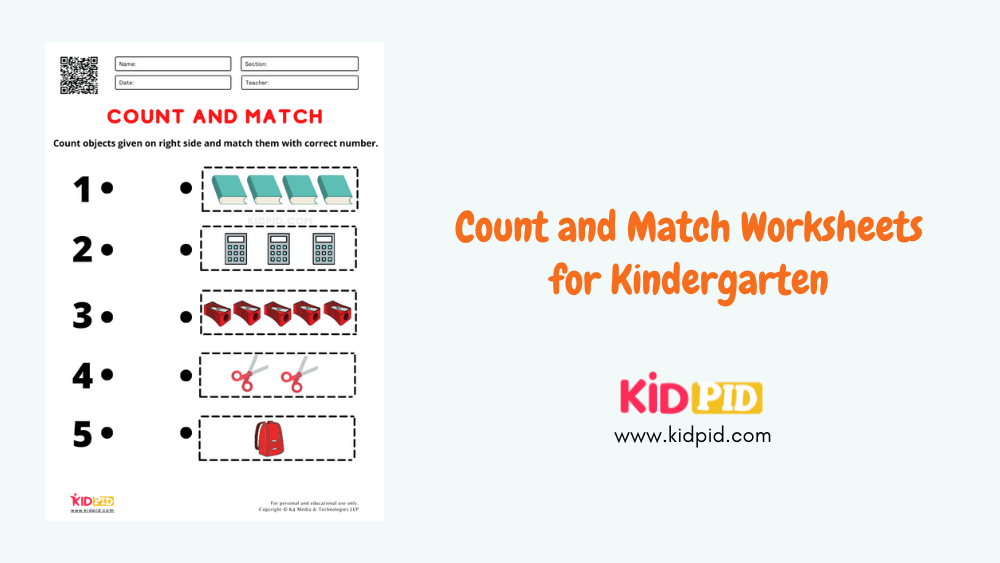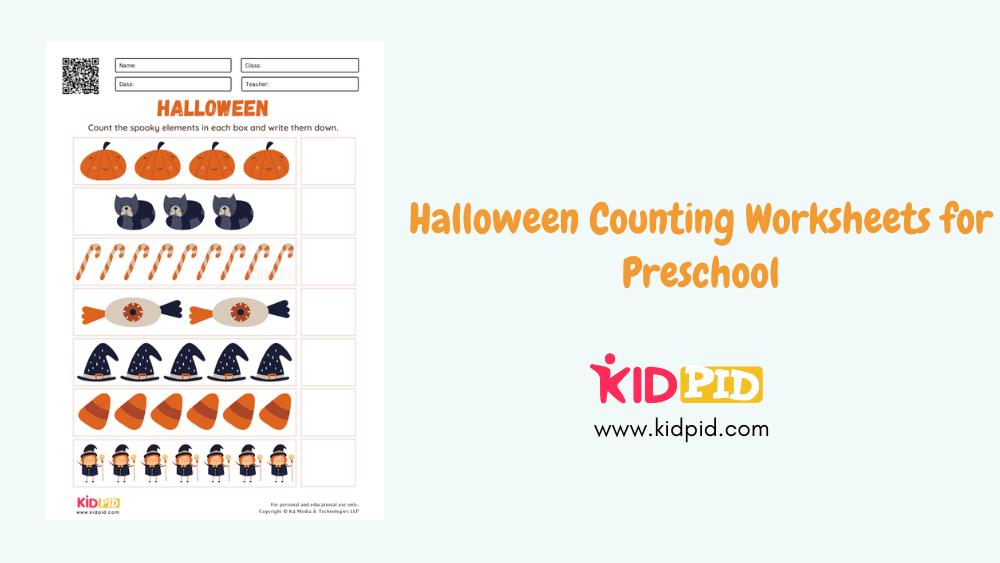
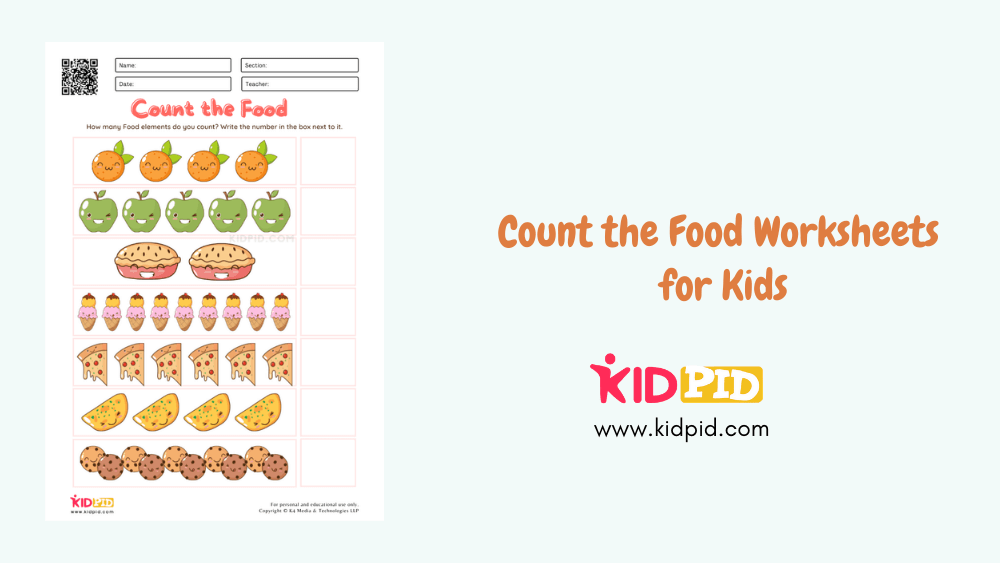
To count is one of the first things that is taught to a child in his early days at school. It is essential to know the number system, as it is upon this that the foundations of mathematics are laid. Without knowing how to count, one can’t add, subtract, or do any other arithmetic operations.
Fire up your child’s counting skills with our ‘Count the food’ worksheet.
[Scroll Down for Download Link]
Contents
- Identifying Objects & Coloring Worksheets
- Key Facts About Count the Food Worksheets for Kids
- Parts/Types/Examples of Count the Food Worksheets for Kids
- How Does Count the Food Worksheets Work?
- Benefits of Learning About Counting the Food Worksheets for Kids
- Learning Objectives
- Worksheet Instructions
- Interesting Facts About Count the Food Worksheets for Kids
- Real-Life Applications
- FAQs
- Q1. What age group are Count the Food Worksheets suitable for?
- Q2. What skills do children develop through these worksheets?
- Q3. Can these worksheets be used at home?
- Q4. Why are food-themed counting worksheets effective?
- Q5. Do these worksheets help prepare children for advanced math?
- Q6. Are these worksheets suitable for classroom use?
- Q7. How often should children practice counting activities?
- Q8. Can Count the Food Worksheets support visual learners?
Identifying Objects & Coloring Worksheets
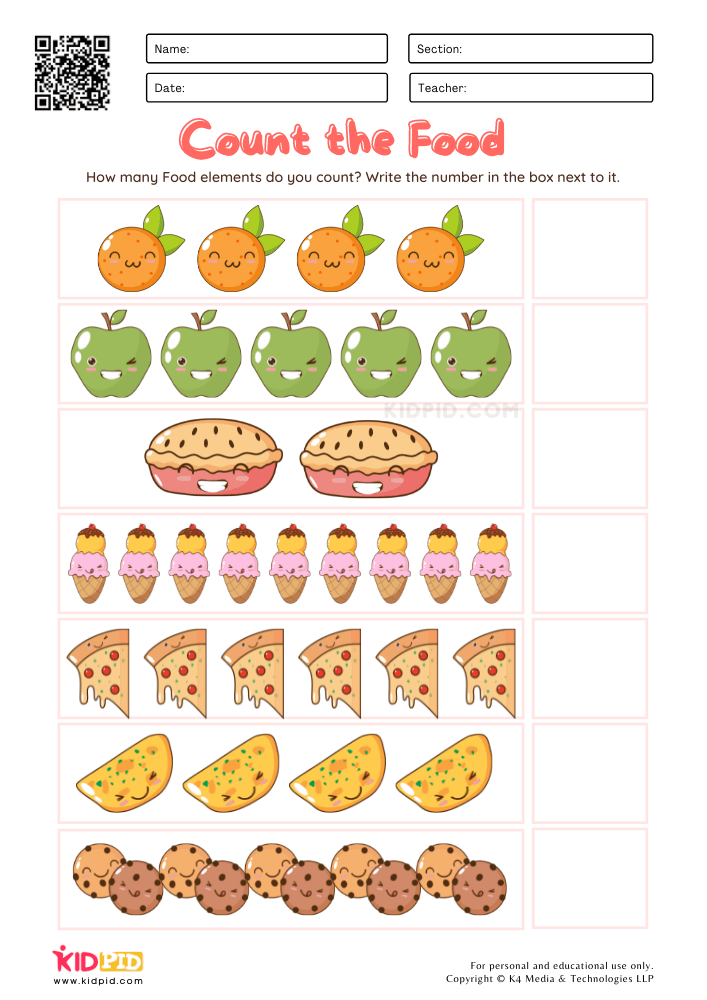
Our worksheets are curated with extreme details, and it caters to children’s interests by introducing learning with fun activities like coloring. This worksheet consists of several exercises to help children learn how to count in an engaging manner.
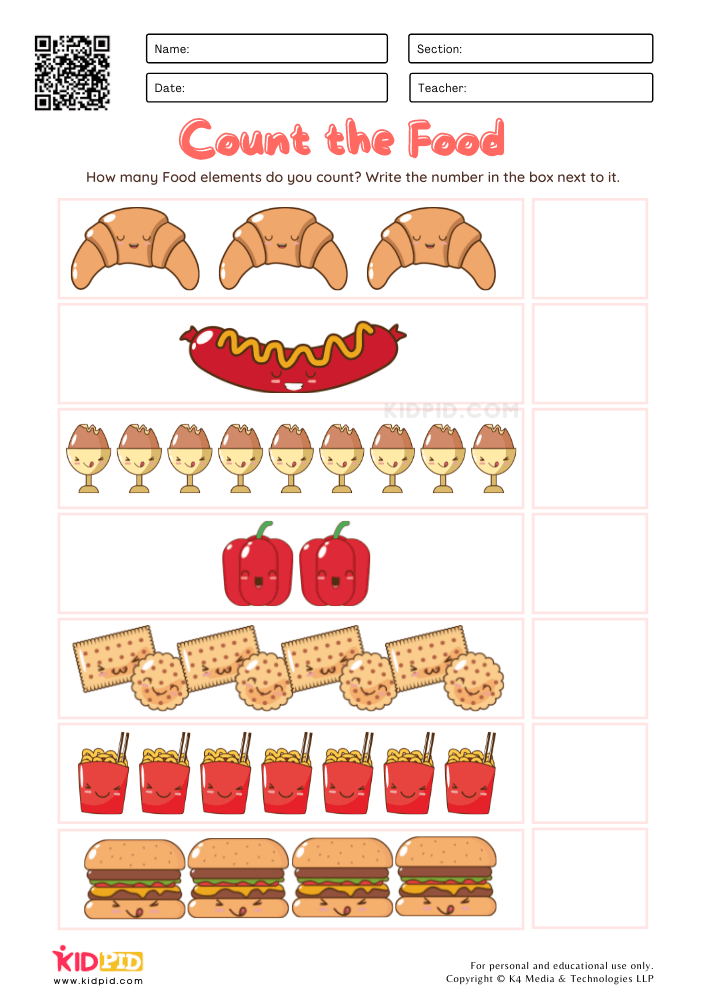
Activities such as coloring are engaging and a good way to introduce learning to children at a young age. This is the third worksheet, and it provides more exercises for children to master counting, all while enjoying and brushing up on their coloring skills.
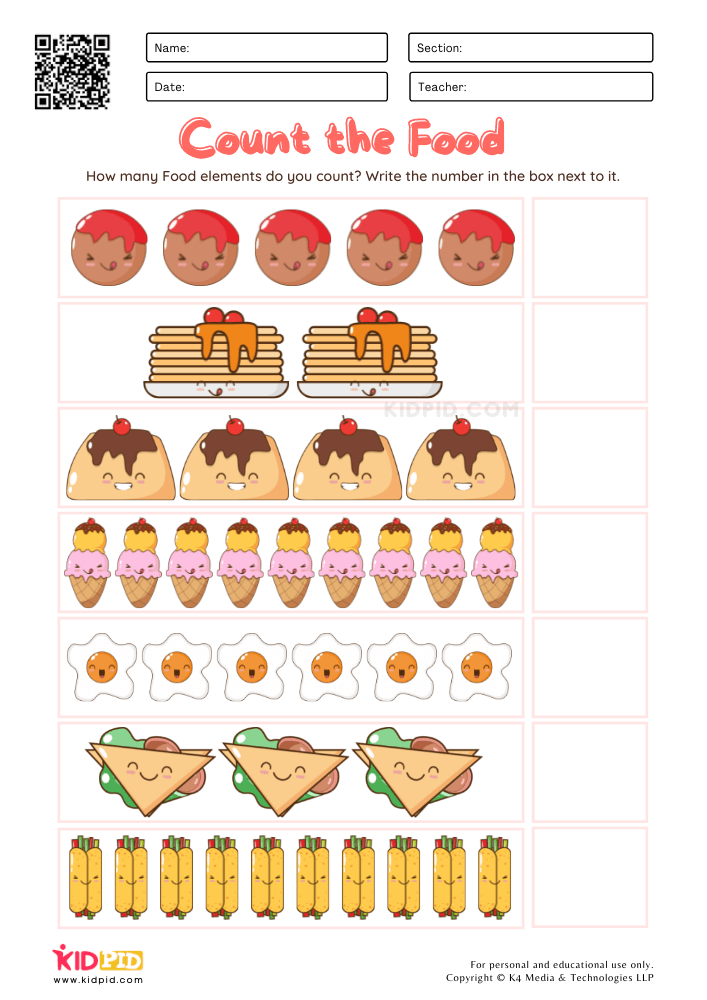
This is the fourth worksheet. No matter how fun the activity is, children have a short span of attention. So be sure that you distribute these worksheets evenly during his study time to ensure his productivity and learning don’t take a hit. It is important to be sensible about the way children are taught.
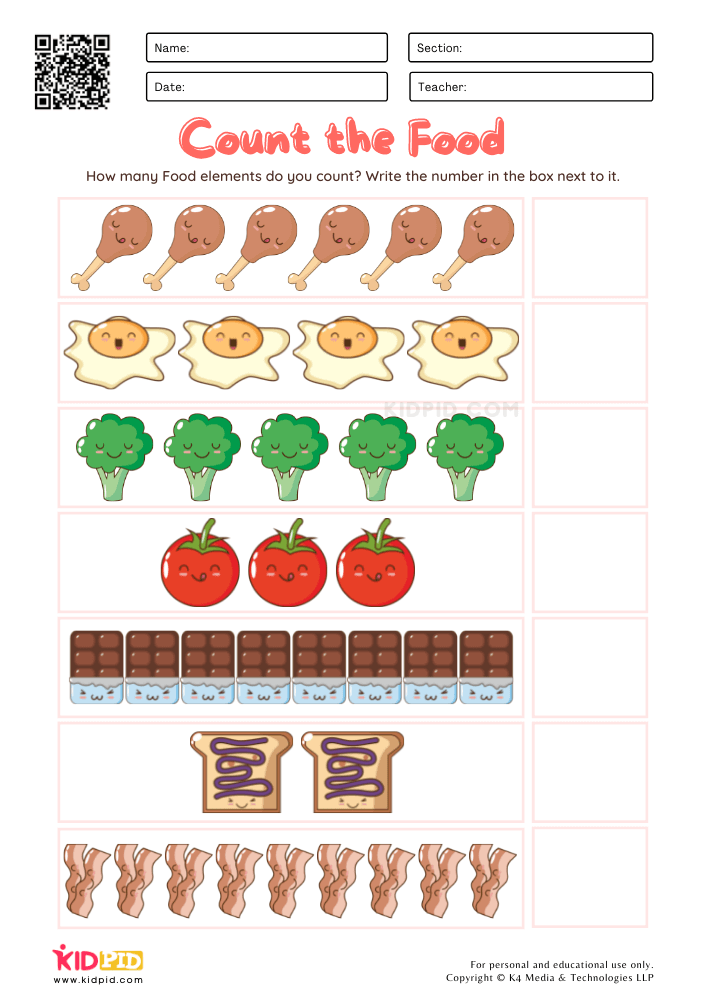
Counting is essential to mathematics. Download the worksheets and introduce them to your child’s curriculum to start his learning journey today!
Key Facts About Count the Food Worksheets for Kids
Count the Food Worksheets for Kids are engaging math activities designed to help young learners practice counting skills using familiar food items. Children count fruits, vegetables, snacks, desserts, and other foods while developing number recognition and early math fluency. These worksheets combine visual learning with hands-on practice, making counting fun and meaningful for preschoolers, kindergarteners, and early elementary students.
Key facts include:
- Suitable for preschool, kindergarten, and Grade 1 students.
- Uses colorful food illustrations to improve engagement.
- Strengthens counting, number recognition, and observation skills.
- Supports early mathematical development through visual learning.
- Encourages independent practice and confidence in numbers.
- Can be used at home, in classrooms, or during homeschooling lessons.
Parts/Types/Examples of Count the Food Worksheets for Kids
The Food Worksheets come in various formats to meet different learning needs.
Parts of the Worksheets
- Food picture section
- Counting the activity area
- Number-writing space
- Matching exercises
- Answer section (if included)
Types of Worksheets
- Count and Write the Number
- Count and Circle the Correct Answer
- Count and Match
- Count and Color
- Count and Trace Numbers
- Missing Number Food Activities
Examples
- Count 8 apples and write the number 8.
- Count the cupcakes and circle the correct answer.
- Match groups of fruits with their corresponding numbers.
- Color the food item that appears 5 times.
How Does Count the Food Worksheets Work?
These worksheets present children with groups of food illustrations. Students carefully observe the images, count each item, and complete tasks such as writing numbers, matching quantities, coloring answers, or selecting the correct number.
The process helps children:
- Identify food objects.
- Count items one by one.
- Associate quantities with numbers.
- Record or choose the correct answer.
- Reinforce counting accuracy through repetition.
This visual and interactive approach supports effective learning while keeping children engaged.
Benefits of Learning About Counting the Food Worksheets for Kids
Count the Food Worksheets provide numerous educational benefits:
- Improves counting accuracy and number sense.
- Develops early math foundations.
- Enhances visual discrimination skills.
- Builds concentration and attention to detail.
- Encourages logical thinking and problem-solving.
- Strengthens hand-eye coordination through writing activities.
- Makes learning enjoyable through food-themed illustrations.
- Increases confidence in basic mathematics.
These benefits support academic readiness and lifelong numeracy skills.
Learning Objectives
After completing these worksheets, children should be able to:
- Count food items accurately.
- Recognize numbers and quantities.
- Match objects with corresponding numbers.
- Improve observation and comparison skills.
- Develop fine motor skills through writing activities.
- Understand one-to-one correspondence.
- Build confidence in early mathematical concepts.
- Practice independent learning and task completion.
Worksheet Instructions
Follow these simple steps:
- Look carefully at the food pictures.
- Count each food item one by one.
- Check your count before answering.
- Write the correct number in the space provided.
- Complete matching, coloring, or circling activities as directed.
- Review your answers for accuracy.
- Ask for help if you are unsure about a count.
Take your time and enjoy counting the delicious foods!
Interesting Facts About Count the Food Worksheets for Kids
- Children learn best when math is connected to familiar objects like food.
- Visual counting activities improve number retention.
- Food-themed worksheets often increase student engagement and motivation.
- Counting activities help develop foundational skills needed for addition and subtraction.
- Early counting practice supports future success in mathematics.
- Using colorful images can enhance memory and learning outcomes.
- Counting objects helps children understand quantity and comparison concepts.
Real-Life Applications
Count the Food Worksheets help children apply math skills in everyday situations.
Examples include:
- Counting fruits while grocery shopping.
- Tracking snacks during lunchtime.
- Helping prepare meals by counting ingredients.
- Organizing food items into groups.
- Comparing quantities of fruits and vegetables.
- Understanding portions and serving sizes.
- Counting items while setting the dining table.
These practical experiences help children see how math is used in daily life.
FAQs
Q1. What age group are Count the Food Worksheets suitable for?
Answer: These worksheets are generally designed for preschoolers, kindergarten students, and early elementary learners between the ages of 3 and 7.
Q2. What skills do children develop through these worksheets?
Answer: Children improve counting, number recognition, observation, concentration, fine motor skills, and early math understanding.
Q3. Can these worksheets be used at home?
Answer: Yes. Parents can use them for homeschooling, extra practice, or fun educational activities.
Q4. Why are food-themed counting worksheets effective?
Answer: Food items are familiar and interesting to children, making learning more engaging and easier to understand.
Q5. Do these worksheets help prepare children for advanced math?
Answer: Yes. Counting skills form the foundation for addition, subtraction, multiplication, and other mathematical concepts.
Q6. Are these worksheets suitable for classroom use?
Answer: Absolutely. Teachers can use them for math centers, independent practice, homework, assessments, or group activities.
Q7. How often should children practice counting activities?
Answer: Regular short practice sessions several times a week help reinforce counting skills and build confidence.
Q8. Can Count the Food Worksheets support visual learners?
Answer: Yes. The picture-based format is especially beneficial for visual learners because it connects numbers with real objects.
Every counting activity builds stronger early math skills and sharper observation. These food-themed worksheets keep children engaged while improving number recognition, counting accuracy, and visual learning through enjoyable practice. Discover a growing collection of paragraphs, quizzes, worksheets, essays, flashcards, and interactive educational resources. Follow us on YouTube & Facebook for daily inspiration.
This worksheet was prepared by the Content Team to foster educational growth.
Reviewed By Palak
Read More: